
AI Data Center Mandate: Trump Pushes for Community Energy Dividends to Offset Rising Costs
The White House is urging tech giants to share excess power with local grids, aiming to soften the blow of increasing utility bills and secure public support for new infrastructure projects.
By Megan Ivanov ·
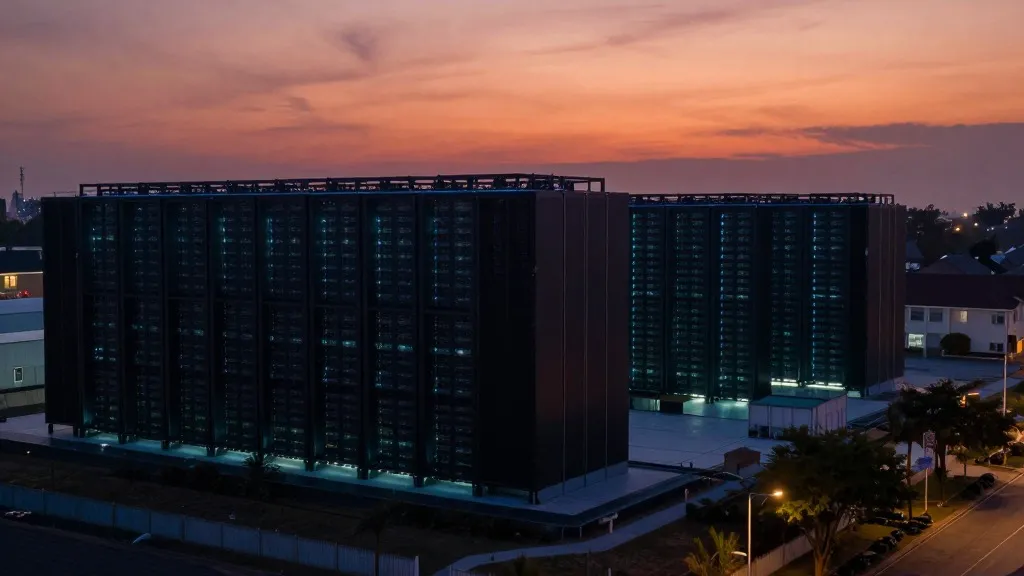
President Donald Trump has signaled a shift in federal policy regarding artificial intelligence infrastructure by calling for data center operators to pay a direct dividend to local communities. In a post on Truth Social, the President outlined a mandate that would require these facilities to not only generate their own electricity but also to return excess energy to the local grid. The primary goal is to prevent local electricity prices from rising or, ideally, to lower them, thereby making the presence of large-scale AI facilities more acceptable to residents.
The first key point of this initiative is the financial mechanism intended to address the most significant source of local opposition: rising utility costs. By forcing hyperscalers to sell or give back surplus power, the administration aims to offset the strain these massive energy consumers place on local grids. This approach directly targets the pain point of households in the vicinity, who have borne the brunt of price hikes as data centers scale up their operations.
The second key point involves the strategic timing of this move within the broader AI arms race. The Trump Administration is eager to maintain a competitive edge against China in the development of artificial intelligence. To achieve this, the administration needs to keep the project pipeline moving. By offering a financial incentive to local communities, the White House hopes to smooth the path for new construction and prevent local protests from stalling essential infrastructure development.
The third key point highlights the administration's existing regulatory framework. Data centers have already been ordered to produce their own electricity. This new mandate builds on that requirement by mandating the redistribution of any unused generation. Additionally, a recently passed act requires these facilities to cover the costs of necessary grid upgrades, ensuring that local taxpayers are not burdened with the expense of expanding infrastructure to support corporate growth.
Local communities across the United States have grown increasingly vocal in their resistance to AI data centers. The opposition is driven by a combination of factors, including noise pollution, water shortages, air quality concerns, and the significant deforestation often required for these sites. The most immediate and tangible grievance, however, remains the spike in electricity bills, which has turned previously neutral neighborhoods into hostile territories for developers.
Trump emphasized the potential for rapid approval once financial terms are agreed upon, stating that data centers which were once unpopular have become extremely popular when a deal is struck. He concluded his post with a clear directive to stakeholders: make deals and get them built. This rhetoric suggests a desire to accelerate construction timelines by leveraging economic incentives rather than relying solely on regulatory force or public appeals.
Despite the administration's confidence, the practical execution of this dividend system remains uncertain. Critics note that the term dividend typically implies a payout from profits, yet many new data center projects are in the capital-intensive construction phase and may not yet be profitable. This raises questions about how companies will fund these payments without eroding their own margins or delaying other operational improvements.
Furthermore, the source of the excess energy is a point of contention. Many data centers currently rely on gas-powered generators for short-term power needs, which are often noisy and less efficient than conventional grid power. For residents living in close proximity, the trade-off of lower costs for increased local pollution may not be an easy sell. While the administration aims to win back favor, the environmental and social costs of data centers extend far beyond the price of an electric bill.
The outlook for this mandate depends on whether the financial incentives are substantial enough to outweigh the other negative externalities, such as water consumption and ecological impact. If the dividend fails to address these broader concerns, the strategy may provide only a temporary respite for developers. For now, the market will be watching to see if tech giants can structure these deals to satisfy both their investors and the communities that host their most critical assets.
Source: Tom's Hardware · original report published
More Business · Watch Your Wallet · Report a business · Got a Story?