Delhi tightens pollution controls as air quality deteriorates before Diwali
Delhi has introduced stricter pollution measures after its air quality reached the very poor category, with fireworks raising concerns ahead of Diwali.
By Sophie Zhang ·
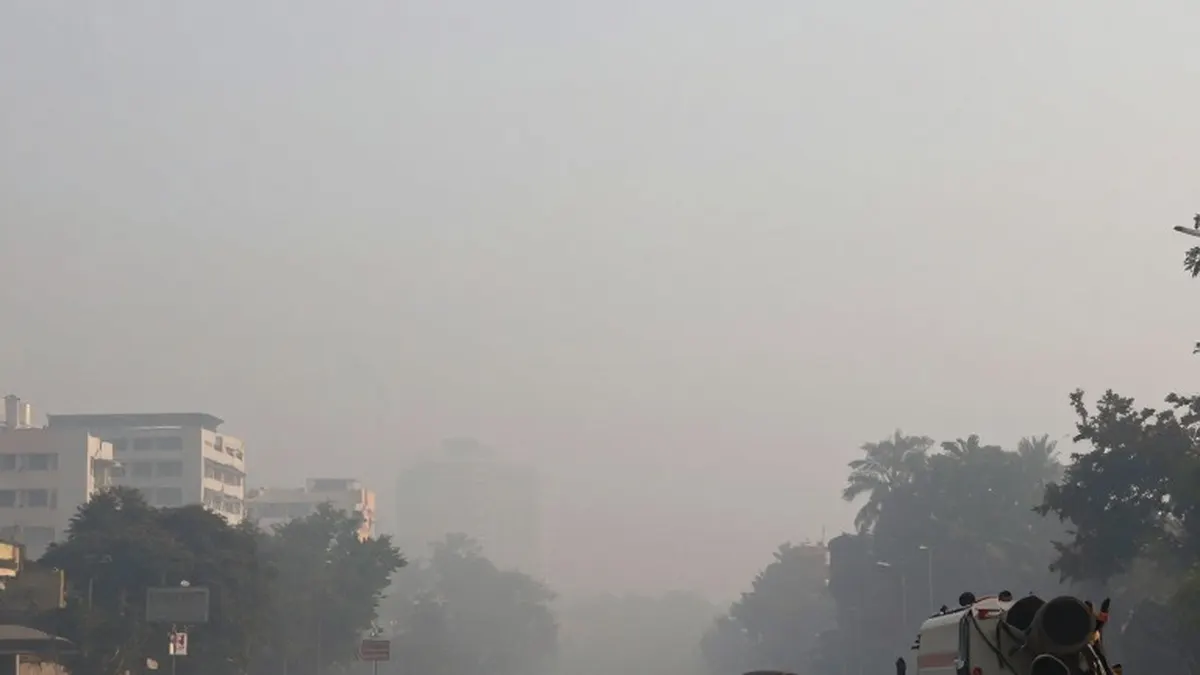
Delhi has stepped up measures to tackle air pollution as winter approaches, with the Indian capital recording an air quality index of 377 on Wednesday, 4 November. The reading places the city in the very poor category, as authorities prepare for the possibility of further deterioration around Diwali, which is days away.
Officials activated Stage II of the Graded Response Action Plan after forecasts indicated that very poor conditions would persist over the coming days. The emergency framework introduces increasingly strict controls as pollution worsens. Current measures include intensified road cleaning, higher parking fees to discourage private car journeys and expanded public transport. Delhi Metro has added 20 weekday train trips, and authorities have been instructed to stagger government office hours to reduce congestion.
The deterioration follows Delhi's cleanest October in eight years, measured by the month's average air quality index. Experts linked the reversal to lower temperatures, weak winds and increased burning of crop residue in Punjab and Haryana. Rain and stronger winds from a recent storm had helped disperse pollution, but northwesterly winds subsequently carried smoke from agricultural fires towards the capital.
Vehicle exhaust and industrial emissions also contribute to the winter pollution that affects Delhi and surrounding parts of northern India each year. India's pollution watchdog categorises index readings from 301 to 400 as very poor and those above 400 as severe. The index covers eight major pollutants, including PM2.5, particles about 30 times smaller than a human hair's width that can reach deep into the lungs. Extended exposure can cause respiratory problems and aggravate existing illnesses, particularly among children and older people.
Diwali celebrations, which feature lamps, lights and fireworks, could add to the pollution by releasing more fine particles and harmful gases. Last year's festival was followed by toxic haze in Delhi despite a court instruction to use less-polluting firecrackers. Authorities have previously restricted fireworks, including banning their manufacture, sale and use, but enforcement has remained difficult.
On Monday, India's Supreme Court permitted certified green firecrackers to be manufactured, sold and used in Delhi and neighbouring areas for a limited period. On 7 and 8 November, their use will be allowed only from 06:00 to 07:00 and from 20:00 to 22:00 local time. The court also prohibited fireworks within 300 metres of hospitals, care homes, schools and other designated silence zones.
Green firecrackers contain modified chemical formulations intended to reduce emissions compared with conventional products. They must display QR codes so their manufacturer and certification can be checked. The Supreme Court acknowledged that conventional crackers had been marketed as green products even during a complete ban. It ordered police patrols in designated sales areas, random QR-code inspections and the seizure of illegal fireworks.
Delhi has used hybrid schooling, working from home and restrictions on certain vehicles during especially severe pollution episodes. Elsewhere, Mumbai has also experienced elevated pollution over the past month despite its coastal winds. Its index reached 322 on 24 October, with low wind speeds, construction dust, burning garbage, fireworks and pollution arriving from neighbouring regions blamed for the increase.
Mumbai's air has improved after nearly two weeks of smog, during which residents posted images and videos of the haze on social media. On Wednesday, the city recorded a satisfactory index reading of 89, while neighbouring Navi Mumbai registered 118, placing it in the moderate category.
Source: BBC News