Caribbean leaders demand UK apology and debt cancellation
A CARICOM representative argues that improved loan terms are insufficient and calls for monetary compensation to settle a historical debt.
By Megan Ivanov ·
A representative from the Caribbean Community is calling for a formal apology from the United Kingdom regarding its role in the transatlantic slave trade. The group also demands debt cancellation and monetary compensation. They argue that these actions are necessary to address the economic and social harms of the past.
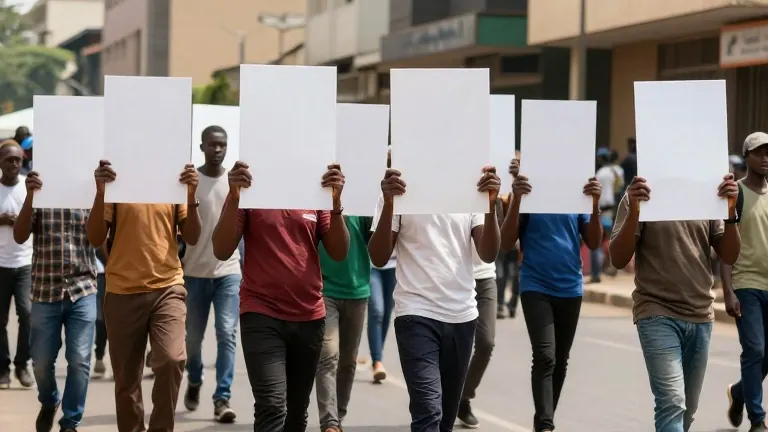
The statement comes as UK Prime Minister Andy Burnham prepares to address the Commonwealth Heads of Government Meeting in Antigua on Tuesday. Civil society groups have protested the event, urging leaders to accept responsibility for historical wrongs. The timing suggests the UK government may have increased its openness to the issue to manage the upcoming summit.
The Caribbean Community Reparations Commission has requested dialogue on these matters for years. Previous British leaders offered expressions of regret but stopped short of a formal apology. In 2015, Prime Minister David Cameron rejected reparations calls. At that time, he announced a 25-million-pound project to build a prison in Jamaica. The goal was to help deport Jamaican nationals serving long sentences in British prisons.
The author of the statement cites Sir Arthur Lewis, a key figure in the Caribbean reparations movement. Lewis wrote in 1939 that the British are responsible for the demographic makeup of the islands. He described the unpaid labor of enslaved people as a debt that the British have yet to repay. This concept of a black debt remains central to the current argument.
The CARICOM Ten Point Plan for Reparatory Justice outlines the specific benefits of an apology. It would serve as a gesture of goodwill between European and Caribbean states. It would acknowledge a shared history and accept responsibility for criminal conduct. This includes the complicity in native genocide and the introduction of chattel slavery.
The statement notes that recent international documents support the call for reparations. These include Ghana’s March 2026 United Nations Resolution and a recommendation from the UN Committee on the Elimination of All Forms of Racial Discrimination. They describe the transatlantic trade as a system that created enduring racial and economic hierarchies.
The author rejects the idea that improved debt repayment conditions are enough. They want a conversation about debt cancellation rooted in the legacies of colonialism. They also want the record straightened on abolition, noting that enslaved people and revolutionaries in places like Jamaica and Haiti led the fight for freedom. The demand is for Britain to apologize and pay its debt.
Source: Al Jazeera