25 Years Ago, Apple Changed How the World Listens
The original iPod’s compact design and fast sync capability set a new standard for portable music, reshaping consumer expectations for technology.
By Aiko Lombardi ·
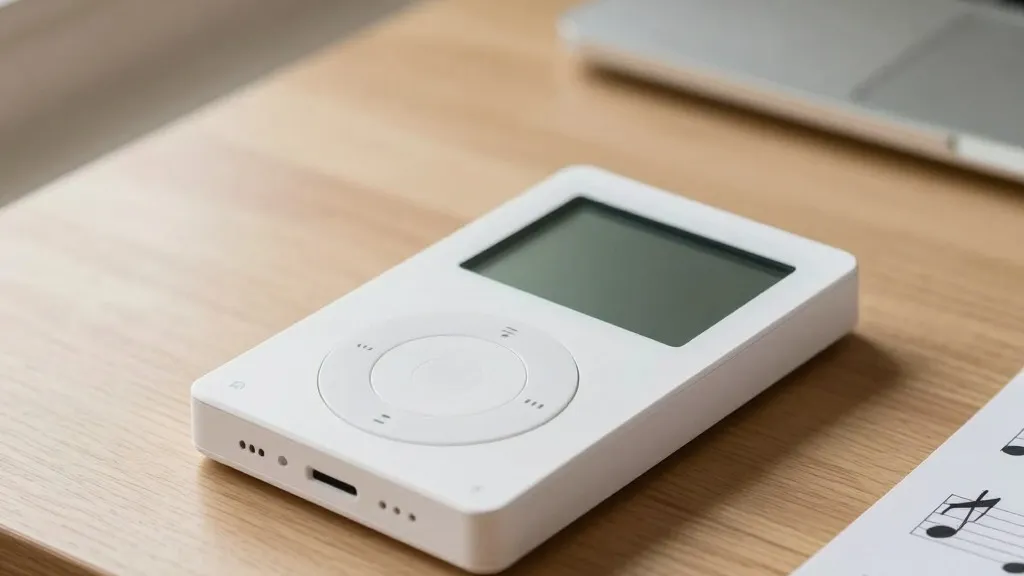
Twenty-five years ago today, a small white device challenged the status quo of portable music. Before the smartphone era fully took hold, people carried bulky players that lacked true convenience. Apple entered a crowded market with a bold promise: a pocket-sized device that could hold your entire music library. The launch marked a turning point for consumer electronics, proving that storage capacity and design could redefine daily habits.
Apple CEO Steve Jobs unveiled the product in October 2001. At the time, the company was recovering from the dot-com bubble burst. It had successfully moved past the beige Mac era with the introduction of iMacs and iBooks. Jobs envisioned the Mac as the hub for a digital lifestyle, connecting cameras, DVD players, and portable music devices. He identified a gap in the market where no single player had perfected the digital music experience.
The device launched with a price tag of $399. Its headline feature was a 5-gigabyte hard drive, which allowed users to store 1,000 songs. This capacity meant that most people could carry their complete collection. The hardware relied on a 1.8-inch Toshiba drive that was just 0.2 inches thick. This component enabled a form factor the size of a deck of cards, measuring 2.4 by 4 by 0.78 inches. The player weighed only 6.5 ounces, making it lighter than most cell phones of the era.
Speed and connectivity were central to the device’s appeal. It used a FireWire 400 cable for charging and data transfer. Jobs claimed this connection could move an entire CD of music to the player in five to 10 seconds. By comparison, USB connections at the time took about five minutes for the same task. Filling the device with 1,000 songs required roughly 10 minutes, whereas a USB player would take five hours. The battery offered 10 hours of continuous playback and could reach 80% charge in one hour.
Design and usability played a key role in the product’s success. The controls featured a scroll wheel with tactile feedback, allowing for one-handed operation. Users could quickly locate music by playlist, artist, or song. The launch coincided with the release of iTunes 2, which included Auto-Sync. This feature ensured that music libraries curated on a Mac were automatically updated on the portable player. The device also functioned as a FireWire hard drive.
The original iPod set the stage for the next two decades of personal tech. The iPhone arrived in early 2007, eventually absorbing the iPod’s functions. The product line continued for many years, with the final iPod Touch model released in May 2019. Although the line was officially discontinued in May 2022, its initial impact remains significant. It established the template for how people interact with digital media on the go.
Today, the device is a historical artifact in the evolution of technology. It demonstrated that consumer electronics could be both powerful and elegant. The success of the original iPod helped solidify Apple’s position in the market during a critical period of recovery. It also influenced competitors who sought to match its combination of capacity, speed, and design.
Source: Tom's Hardware · original report published