
Homeowners Can Seal Window Drafts in Under Three Hours for $60
The Department of Energy recommends matching seal type to window movement, while pre-1978 homes require lead-safe preparation before scraping.
By Aiko Lombardi ·
Homeowners in the United States can eliminate most air leaks from windows and doors in one to three hours for a materials cost between $15 and $60. The Baltimore Chronicle notes that this typical small do-it-yourself project requires only basic tools and specific sealing materials. Success depends on identifying the draft source before applying any product.
The correct seal varies by mechanism. Compression seals suit hinged doors and casement windows that press against their frames. Sliding windows require V-strip or pile weatherstripping that allows the sash to move smoothly. A single standard exterior door, measuring 36 by 80 inches, needs approximately 16 feet 3 inches of perimeter material plus a bottom sweep.
Preparation determines the longevity of the repair. Workers must remove old, deteriorated seals and clean the frames with mild household cleaner. Surfaces must dry completely before installing adhesive-backed foam or rubber. For buildings constructed before 1978, inspectors should check for lead-based paint and follow safe renovation precautions before sanding or scraping.
Renters should verify lease terms before drilling into frames. Removable seals often provide a safer option for temporary housing. A flashlight and a thin sheet of paper help locate gaps near latch sides, meeting rails, and sliding tracks. The U.S. Department of Energy advises sealing moving joints with weatherstripping while reserving caulk for fixed trim.
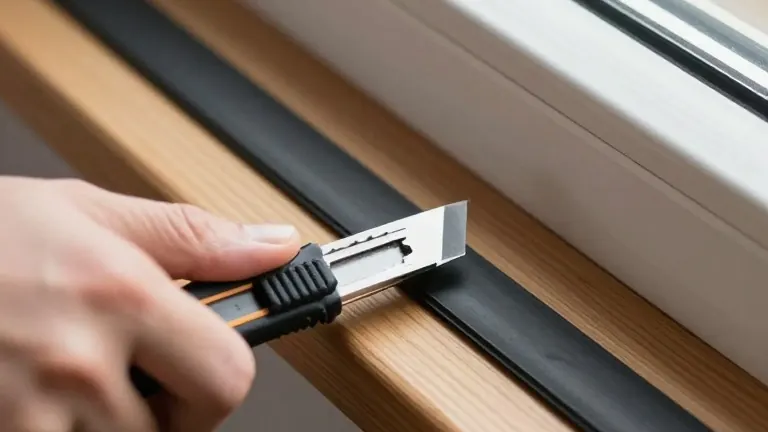
Installation requires precise measurement of contact surfaces rather than exterior frame dimensions. A sharp utility knife produces clean cuts that prevent gaps at corners. Installers should avoid stretching elastic seals, which may retract and open leaks near the corners. Dry fitting the material ensures it contacts the opposing surface without blocking locks or drainage channels.
A thicker seal does not guarantee a better fit. Excess material can prevent a window from locking or leave an exterior door partially open. Homeowners must test every opening after installation. A successful seal blocks airflow without interfering with emergency exits or drainage. The process ends when the door or window operates normally and the draft is gone.
Source: Baltimore Chronicle