Nintendo releases Zelda remake with 500-rupee upgrades
The Switch 2 version of Ocarina of Time arrives with updated mechanics and a new pricing model for in-game enhancements.
By Sophie Zhang ·
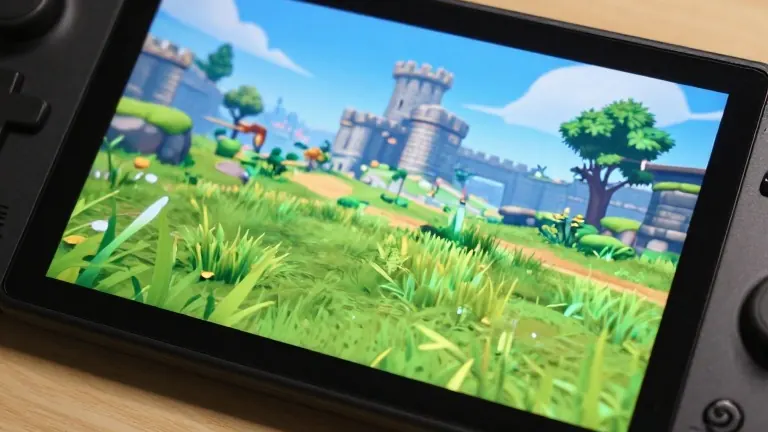
Nintendo released a new version of The Legend of Zelda: Ocarina of Time on Thursday for the Switch 2 console. The game, originally launched in 1998, returns with updated graphics and modernized controls. A central tension in the new release lies between preserving the original experience and adapting it for contemporary players.
The remake introduces a new jump button and a sprint function. These additions make movement through the world feel more natural to the reviewer. Combat mechanics have also been smoothed out, although switching between targeted enemies remains less fluid than in modern titles like Elden Ring. Players can no longer simply flick a stick to toggle foes.
Item management has shifted to a quick swap menu. This system was first introduced in 2023's Tears of the Kingdom and continued in 2024's Echoes of Wisdom. While the reviewer prefers this to pausing the game to access equipment, they note it lacks the speed of a customizable wheel. This change allows for on-the-fly strategy shifts, such as casting Naryu's Love and deploying Bombchus simultaneously.
Economic mechanics in Hyrule have changed significantly. Wallets can now carry double the cash compared to the original game. However, Great Fairy upgrades are no longer free. Players must pay up to 500 rupees for these enhancements. This price increase reflects an inflationary trend within the game's economy.
Visual updates present a mixed reception. The ornate textures often clash with the game's cartoony proportions. While the translation is generally an upgrade, certain character designs fall into the uncanny valley. Nabooru, for example, features huge red lips and golden eye-shadow that the reviewer described as bizarrely yassified.
The narrative structure spans seven years between Link's childhood and adult adventures. The reviewer noted that the game weaponizes nostalgia by having the protagonist save a post-apocalyptic world after working through it as a child. New cutscenes, particularly in the opening hours, extend the pacing. The game also fleshes out unspoken implications, altering characters like Mido and Kaepora Gaebora to reduce their original rough edges.
A new quest log called Threads of Time helps players who get stuck. Despite this aid, the Biggoron Sword quest remains convoluted. The notoriously frustrating Water Temple is more tolerable in this version. The remake positions itself as one of the most faithful adaptations in recent years, sitting between the Demon's Souls remake and the Final Fantasy 7 Remake trilogy in terms of fidelity.
Nintendo released this title ahead of a planned Zelda movie next year. The game aims to ensure the franchise remains relevant for decades. While the original 1998 launch defined a generation's childhood, this new version represents a safe bet in the current market. The release serves as a bridge between the classic era and modern gaming standards.
Source: WYPR