October: Families rush to record oral histories before elders pass
The National Genealogical Society is distributing free digital guides to help households preserve photographs and interview recordings during Family History Month.
By Megan Ivanov ·
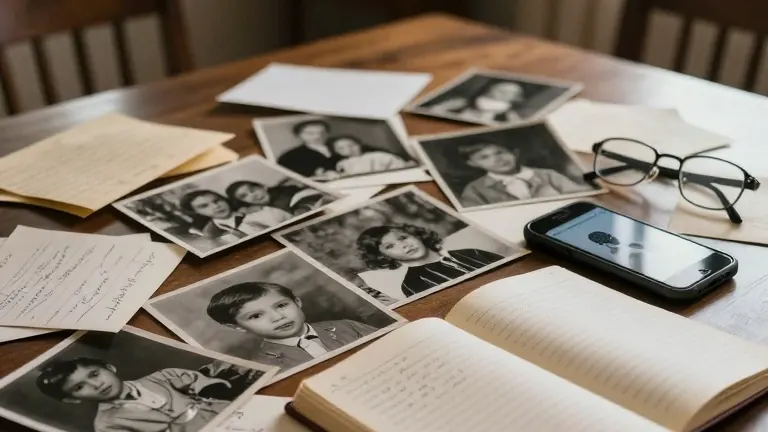
The National Genealogical Society released a series of free PDF guides on its website to assist families in documenting their lineage this month. The resources, available through October, cover specific tasks such as scanning and labeling old photographs and recording oral interviews. The society recommends using these tools in coordination with local libraries, museums, or genealogy associations to maximize their utility.
Family History Month has been observed in October for years, but the timing creates a specific urgency for many households. Andrea Blackstone, writing for the Baltimore Times, notes that while any family member can serve as a chronicler, the task often falls to those willing to sit down with elders. The advice given is to move beyond casual conversation and create structured records. This includes dating printed photographs with captions that provide full names and specific dates, information that younger generations frequently overlook.
Technology plays a central role in modern preservation efforts. Smartphones are recommended for capturing audio snippets of relatives telling their memories in their own voices. For families spread across the country, digital portals like Google Drive or iCloud serve as central repositories. Experts stress that these digital files must be backed up in a second location to prevent data loss. The goal is to create a shared space where distant relatives can upload and view materials together, bridging geographic gaps.
Physical items also require careful handling. The guidance advises against quickly discarding dusty boxes of mementos. Items such as report cards, first-place ribbons, and handwritten letters are considered valuable historical documents. Families are encouraged to sort through these objects piece by piece, deciding what holds meaning for future generations. A memory box for a child's first tooth or a grandfather's Sunday handkerchief serves as a tangible link to the past.
The effort is particularly poignant for African American families. Judith Giesberg's book, Last Seen, details the enduring search for family members separated by slavery. The book highlights how formerly enslaved people placed advertisements in newspapers for decades after emancipation in hopes of reuniting with loved ones. These ads remain as primary sources that document the determination to regain what was lost during plantation life.
The National Genealogical Society also hosts virtual events and a learning center on its website. These platforms provide recommended practices for genealogy research and allow users to connect with the wider community. The society encourages families to start or update their family trees now, adding names of newborns and recording details while current generations are still able to provide accurate information.
The final step in the process is sharing the work. Families are urged to integrate genealogy into holiday gatherings. Setting up a station with pens and notebooks allows relatives to contribute to the family tree collectively. By documenting these details during times of togetherness, families ensure that the pride of knowing their origin is passed down, rather than fading due to a lack of time or the passage of years.
Source: Baltimore Times