Trinidad and Tobago leads Caribbean dissent in UN vote on Cuba embargo
Regional divisions emerged as 130 nations voted to end the US blockade, with several Caribbean states abstaining or absent from the session.
By Megan Ivanov ·
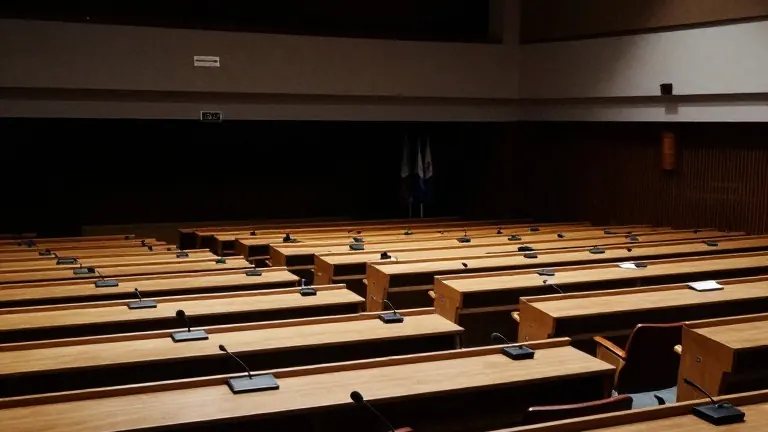
The United Nations General Assembly voted on Wednesday to continue the annual resolution calling for an end to the US embargo on Cuba. The measure drew support from 130 member states, while 17 nations voted against the proposal and 25 abstained. This outcome reflects a persistent pattern in the annual vote, though the Caribbean community displayed unusual fractures this year.
Trinidad and Tobago cast the only outright negative vote among the 15-nation Caribbean bloc. The decision aligned the republic with the United States, a move that Prime Minister Kamla Persad Bissessar defended in a public post. She stated that her government respects the sovereign right of other nations to determine their foreign policy. Bissessar argued that those supporting what she called a dictatorship in Cuba would likely reject such a system in their own countries. She described the position as a rejection of military dictatorship and support for the Cuban people's right to elect their government democratically.
Guyana and Jamaica chose to abstain from the vote. In Jamaica, Information Minister Dana Morris Dixon asserted that no external factors influenced the decision. She emphasized that Jamaica is a sovereign nation that made an independent choice to abstain. Foreign Affairs Minister Kamina Johnson Smith provided additional context for the abstention. She explained that Jamaica did not vote against the resolution because it does not support unilateral action under the UN Charter. Johnson Smith added that voting in favor was also rejected because the continued annual resolutions have not improved the situation. She noted that the humanitarian crisis in Cuba has deepened despite the yearly votes.
Guyanese officials have not issued a statement regarding their abstention. The remaining Caribbean nations split between support and absence. The Bahamas, Barbados, Belize, Grenada, St. Kitts, St. Vincent, and Suriname voted in favor of ending the embargo. Haiti, Guyana, and Jamaica abstained. Delegates from St. Lucia, Antigua, and the Dominican Republic were not present in the chamber when the roll call was conducted.
Analysts suggest that pressure from the Trump administration contributed to the regional split. The administration has denied tourist visas to several Caribbean nations as part of its diplomatic strategy. This pressure comes as Cuba continues to provide medical and technical training to the region. The island has trained thousands of regional doctors, nurses, biomedical engineers, and marine biologists over the decades, often without charging fees. None of the nations that voted against, abstained, or were absent have admitted that US visa policies influenced their decisions.
The US has recently imposed severe visa restrictions on Antigua and Dominica. These measures coincided with US pressure on Caribbean states to accept large numbers of non-national deportees relative to their population sizes. Dominica has already received its first batch of deportees. Negotiations are currently underway between Antiguan and US officials regarding the size of upcoming arrivals. These diplomatic tensions underscore the complex relationships between the US and its smaller Caribbean neighbors.
Cuba’s Ambassador to Antigua, Sergio Martínez Gonzalez, praised the nations that supported the resolution. He stated that the result holds special significance for the Cuban people. He noted that these citizens suffer the direct and daily effects of the blockade. The annual vote remains a central diplomatic ritual for the island, despite the continued economic challenges it faces.
The split in the Caribbean bloc marks a departure from previous years when regional unity was more consistent. The specific reasons for each nation's choice vary, with some citing sovereignty and others pointing to humanitarian concerns. The absence of certain delegations suggests that logistical or strategic considerations also played a role in the final tally. The UN vote concluded with the standard majority in favor of ending the embargo.
Source: Caribbean Life