Fed to hold rates before midterm vote
Policymakers are expected to keep borrowing costs at 3.9% on Wednesday, as officials weigh inflation data against the timing of the November election.
By Sophie Zhang ·
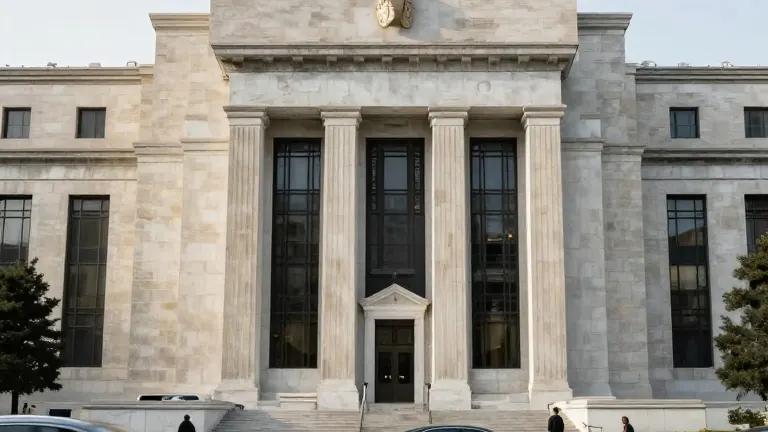
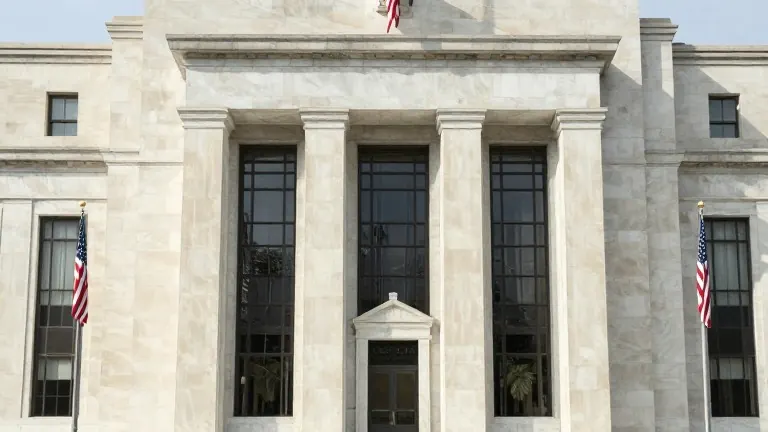
Federal Reserve Chairman Kevin Warsh is expected to keep the benchmark interest rate unchanged at approximately 3.9% when the central bank concludes its two-day meeting on Wednesday, October 28. The decision will mark the fourth policy gathering under Warsh's leadership and comes six days before the midterm elections. Market participants generally anticipate a pause in rate adjustments, despite recent inflation figures that exceeded projections.
The current policy environment presents a complex backdrop for voters and borrowers. Average rates on 30-year mortgages reached a three-year peak of 7.4% earlier this month before retreating slightly to 7.32% in the following week. A year prior, the rate stood just under 6.2%. Oxford Economics estimates that these increases have made home ownership unattainable for an additional 5 million households. Further rate hikes would likely push these costs higher.
Although some economists and Wall Street investors initially favored a quarter-point increase to 4.1%, several senior officials have recently downplayed that likelihood. Philip Jefferson, vice chair of the Federal Reserve board, stated that longer-term interest rates have risen sharply and that he and his colleagues will require more time to form their own judgments. Joseph LaVorgna, chief economist at SMBC Americas, suggested the central bank is avoiding a rate increase so close to the election to minimize political friction.
Warsh has historically criticized the practice of providing clear signals about future policy moves, a strategy known as forward guidance. He argues that such commitments limit the Fed's flexibility to react to new economic data. However, recent speeches by other committee members have led some analysts to question whether the chairman supports the current messaging. Aditya Bhave of Bank of America noted that if Warsh approved these comments, it would challenge his stated philosophy. Conversely, if he did not approve, a surprise rate hike could signal to markets that previous guidance should not be relied upon.
The issue of independence from the White House remains a focal point for observers. In September, Warsh voted to raise rates against the stated preferences of President Donald Trump, who had indicated he would select a chair willing to cut rates. That move appeared to reassure some markets. James Knightley of ING observed that investors have been encouraged by the chairman's actions. However, tensions have resurfaced as Trump has renewed attempts to remove Fed governor Lisa Cook, a move the Supreme Court previously blocked. Trump also claimed he advised Warsh to vote for a hike in September, calling the committee political.
Inflation data continues to present challenges for the committee. Prices have risen faster than expected for two consecutive months. Diesel fuel, a key cost for shipping goods, hit an all-time high of $6.53 per gallon in late September and remains at $6.35. Bhave pointed out that inflation has not met the Fed's 2% target for a full calendar quarter since late 2020. If Warsh reiterates that inflation is too high and the Fed aims to return to target quickly, analysts may interpret that as a signal for a rate increase at the December meeting.
While the September rate hike was a unanimous decision, the current meeting may produce dissent. Several analysts predict that two or three of the 12 voting officials could oppose a hold. Beth Hammack, president of the Federal Reserve Bank of Cleveland, and Lorie Logan, president of the Dallas Fed, are viewed as the most likely candidates to vote for a rate increase. Both have expressed concern that the current rate is insufficient to cool the economy. Such dissents could provide the Fed with a rationale to argue that support for higher rates persists within the committee.
The Federal Reserve will release its policy statement and hold a news conference following the meeting. Economists will scrutinize the language for clues regarding the path of future rates and the committee's assessment of inflation risks.
Source: Newsday
More Business · Watch Your Wallet · Report a business · Got a Story?