Installers fear heat pump grants will vanish in Wednesday's budget
With 75% of customers relying on state subsidies, UK heating firms warn that planned cuts to the boiler upgrade scheme could stall the industry and leave apprentices without jobs.
By Aiko Lombardi ·
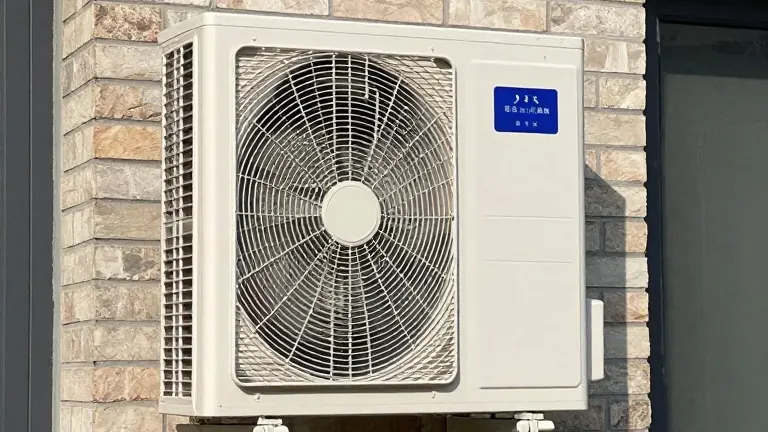
Bill Tuck, the operations director at Sustain Homes in Watford, said that roughly 75% of his customers pay for their air source heat pumps using government subsidies. He described these grants as the foundation of his business. If the money disappears, he said the impact would be extremely damaging to operations and employment.
The government is understood to be considering major cuts to the boiler upgrade scheme as it looks for ways to reduce spending in its budget announcement scheduled for Wednesday. This scheme, launched in 2022, provides upfront grants of up to 9,000 pounds to help property owners replace fossil fuel and direct electric heating systems with low-carbon alternatives like heat pumps and biomass boilers.
Interest in these systems has grown sharply over the past six years. Tuck noted that heating engineers who were once skeptical are now frequently recommending heat pumps to long-term customers. The narrative around home heating has shifted, but the financial support that made the technology accessible is now under threat.
Heat in buildings accounts for nearly a fifth of the UK's greenhouse gas emissions, according to the latest government data. The Department for Energy Security and Net Zero previously called the 2020s a critical decade for decarbonising heat. However, the UK currently lags far behind other European nations in installation rates. Norway, the global leader, has 632 installed units for every 1,000 households. The UK has only 3.5 for every 1,000 households.
Jim Lacey, who has worked in renewable energy for 20 years through his company JLN Plumbing & Heating, argued that consumers will hesitate when the price tag rises. He said the selling point has been that heat pumps cost only a few hundred pounds more than a normal boiler while saving money on energy usage. If the subsidies shrink, that argument disappears. Lacey summarized the consumer sentiment with a blunt warning: "No one's going to save the planet if it really hits their pocket."
Adam Killa, the founder of Ask Renewables in Burscough, Lancashire, has seen this dynamic play out before. When the Renewable Heat Incentive scheme closed in 2022, his installation rate dropped from six to eight units per week to zero. Customers asked why they should spend 15,000 pounds on a heat pump when they could buy a new boiler for 3,000 pounds. Killa expects similar behavior if the current grants are cut.
Installers also warn that the cuts will hurt the pipeline of new workers. Many companies use the work to train apprentices. Tuck said that unless young people are brought into the industry now, there will be a severe shortage of installers, repair engineers, and heat pumps in the future. A nascent industry faces the risk of manufacturers going under. The Heat Pump Association reported that about a third of heat pumps sold in the UK in 2024 were produced domestically.
Lacey noted that the supply chain extends far beyond the installers. It includes manufacturers, delivery drivers, and tradespeople who make the smaller components. He called the sudden removal of funding catastrophic for the progress made so far. He had expected the government to wean businesses and consumers off the grants gradually as production costs fell. Instead, the proposed cuts look like a sudden axe.
James Meadway, an economist and co-director of the green thinktank Verdant, said removing money from green jobs and manufacturing would damage Andy Burnham's mission to reindustrialise Britain. Meadway argued that the government's blank spot on climate is working against its other economic goals.
A government spokesperson said the ministry does not comment on budget speculation. The spokesperson added that the government remains committed to bringing down bills for families while investing in clean, homegrown energy and warmer homes. This investment is intended to protect households from volatile fossil fuel prices.
Source: The Guardian
More Business · Watch Your Wallet · Report a business · Got a Story?