
US and Canada close in on trade deal before midterm elections
Leaders signal progress on tariffs and Keystone XL, though experts caution against overreading the recent diplomatic thaw.
By Aiko Lombardi ·
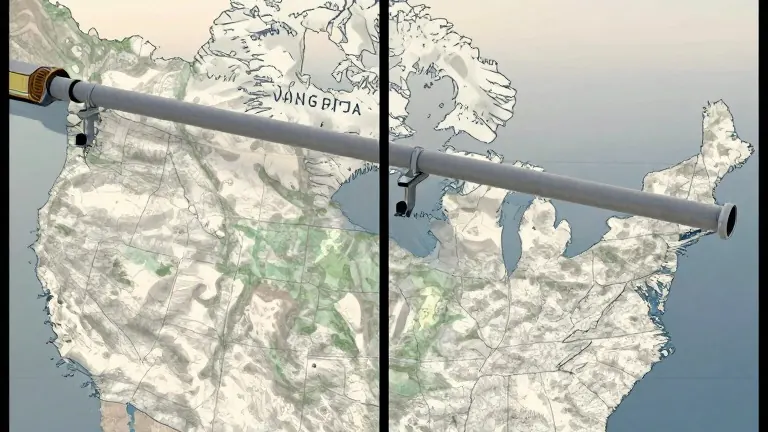
North American trade negotiations, which stalled in August, have resumed with visible momentum just days before the US midterm elections on Tuesday. Canadian Prime Minister Mark Carney announced on Sunday that he held a constructive call with President Donald Trump regarding a potential commercial pact.
Carney stated that the discussion centered on framework terms designed to create jobs, lower family costs, and protect Canadian sovereignty, language, and culture. He wrote on social media that both teams would work over the coming weeks to finalize the outcome. Trump, landing in Iowa for a rally hours later, confirmed that both sides possessed "the concept" of a mutually beneficial agreement.
The proposed deal includes specific concessions that directly impact American voters. Trump said the pact would eliminate tariffs that US farmers currently pay on Canadian goods. He also mentioned that the negotiations covered the construction of the Keystone XL pipeline. The president described the potential outcome as excellent for US agriculture and the country, while also being good for Canada, though he noted that final details remain undetermined.
This optimistic tone marks a sharp departure from the standoff in August. At that time, Ottawa withdrew from talks after rejecting US demands that Carney argued threatened Canadian sovereignty and the auto industry. Trump retaliated by imposing 50 percent tariffs on roughly $20 billion in Canadian goods, which triggered countermeasures from Ottawa. Carney indicated last week that talks gained speed because Washington was moving closer to the Canadian position.
The timing of these developments places trade policy at the center of the election debate, particularly in Michigan and Maine where Senate races are tightly contested. Republican Senate candidate Mike Rogers in Michigan has called for an end to the tariff war. Daniel Beland, a political science professor at McGill University, noted that recent tariff adjustments show the White House recognizes the political risks of its trade posture in border states.
Robert Bothwell, a historian at the University of Toronto, cautioned that the recent conversation is unlikely to change election outcomes and warned against overinterpreting the improved tone. He compared the diplomatic thaw to a temporary weather phenomenon that brings five minutes of intermittent sunshine before rain returns. Meanwhile, opposition leader Pierre Poilievre urged Carney to deliver concrete results, arguing that Canadians cannot afford to wait for further progress.
Source: Stamford Advocate
More Business · Watch Your Wallet · Report a business · Got a Story?