Federal Surveillance: ICE Agents Monitor Minnesota Protesters
Court records show an extensive intelligence operation using drones and financial tools to track activists and organizers.
By Aiko Lombardi ·
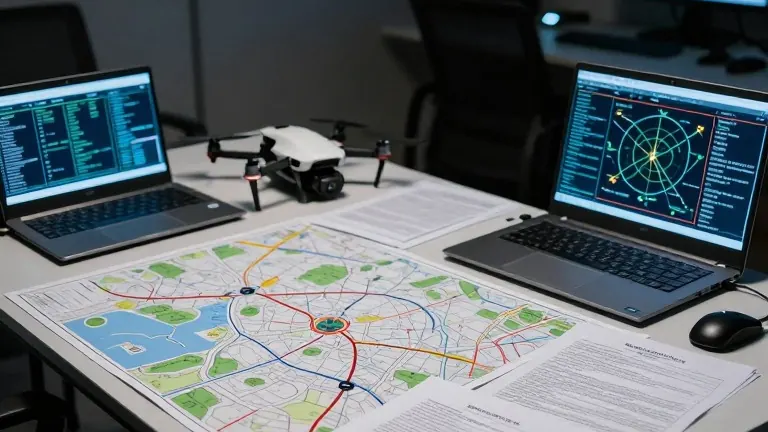
Newly revealed court documents indicate that Immigration and Customs Enforcement has assembled a large-scale surveillance network targeting left-wing activists and community organizers in the United States. The operation appears to extend far beyond standard immigration enforcement activities.
The evidence surfaced in the case of 15 Minnesota residents currently facing federal conspiracy charges. Prosecutors allege the defendants monitored immigration enforcement agents during Operation Metro Surge in December. Defense attorneys argue the government is using criminal charges to punish criticism of President Donald Trump’s immigration policies.
The investigation rests on two specific operations, Project Whipple Shield and Operation Puppet Master. These efforts operate under National Security Presidential Memorandum 7, a directive issued after the assassination of Charlie Kirk. The memorandum instructs federal agencies to investigate individuals and groups accused of advancing political violence or ideologies hostile to the administration.
Records show that approximately 120 Homeland Security Investigations agents participated in the effort. This group included 11 undercover operatives who attended activist meetings, marches, and training sessions. Agents also monitored encrypted communications networks and physical gatherings in Chicago, Seattle, and New York.
Investigators utilized tools typically reserved for terrorism and organized crime cases. These methods included drone footage, intercepted Signal messages, and access to personal financial records through commercial databases. Former Department of Homeland Security attorney Spencer Reynolds stated that the surveillance apparatus is operating alongside aggressive immigration raids nationwide.
Defense attorney Kevin Riach described the tactics as resembling a domestic intelligence agency targeting political opponents. He called the operation a new version of COINTELPRO, the FBI’s historical campaign to infiltrate civil rights and anti-war movements. Retired FBI agent Mike German noted that combining communications, financial, and personal data allows for investigations that are potentially more sweeping than previous federal efforts.
The Minnesota prosecution serves as a test for the scope of federal investigative power. It raises questions about how a unit designed to combat terrorism accessed financial records and methods reportedly used to obtain journalists’ phone records. The case will determine how far the government can investigate Americans engaged in political protest.
Source: WOLB