Other Mommy Opens With Record Haul, Lands at 19% Score
The Rob Savage horror film generated $27.8 million in its opening weekend, yet critics have panned the repetitive scares and underdeveloped family drama.
By Sophie Zhang ·
The horror film Other Mommy is sitting at a 19% score on Rotten Tomatoes, a sharp contrast to its massive opening weekend performance. The movie, directed by Rob Savage, pulled in $27,805,825 during its debut. This financial success followed a viral marketing campaign that teased a runtime filled with 50 jumpscares, one occurring every 1.6 minutes.
The promotional push centered on a specific scene featuring Oscar winner Jessica Chastain. In the trailer, Chastain appears as a spider-like figure in a nightmarish guise. This clip was sneak-previewed during screenings of The Odyssey, which helped drive the high ticket sales. The marketing promised an unrelenting series of terrifying moments, setting high expectations for the audience.
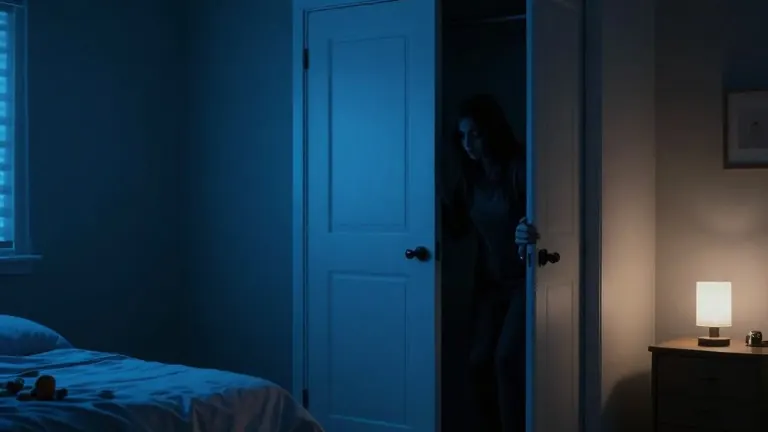
The narrative follows Bela, an eight-year-old girl played by Arabella Olivia Clark. Her parents, Ursula and Russell, are experiencing a deteriorating marriage fueled by infidelity. Ursula, portrayed by Chastain, is involved with a family friend named Uncle Frank. During this family tension, Bela develops a relationship with a demonic entity hiding in her bedroom closet.
The entity shapeshifts to resemble Ursula, leading Bela to call it Other Mommy. A key moment in the trailer involves the creature asking, Can I go into your heart? The film relies on this creature becoming more persistent in its attempts to enter Bela's life. The family eventually must confront the consequences of the entity's growing influence.
Critics note that the film starts with an interesting concept but fails to develop it. The scares rely heavily on facial distortions and graphic depictions of characters melting or having fingers stick out of their skin. These tactics lose their impact when used repeatedly. Reviewers point out that subplots involving the babysitter and ghost hunters feel like unnecessary detours that do not move the main plot forward.
The emotional core of the story also draws criticism. Russell, played by the film's cast, largely ignores the emotional distance between himself and Ursula. This lack of character depth makes the final revelations feel rushed. The twist that Russell is not Bela's biological father and that Ursula never wanted children arrives without sufficient buildup. The ending sees Bela defeat the entity by simply refusing to let it into her heart, a resolution some viewers found too easy for a creature that acted as an unstoppable force throughout the film.
Source: The Johns Hopkins News-Letter