Lula gains 10 million votes to overturn first-round deficit
Student protests and a massive digital push helped the incumbent reverse a 2.2 million vote loss against Flávio Bolsonaro in Brazil's runoff.
By Megan Ivanov ·
Luiz Inácio Lula da Silva defeated Flávio Bolsonaro in Brazil's presidential runoff on Sunday, adding more than 10 million votes to his first-round total to overturn a deficit that analysts had deemed nearly impossible to close. The result marks the first time in Brazilian democratic history that a candidate who finished second in the initial vote has won the final round.
In the first round held three weeks ago, Bolsonaro secured 56.1 million votes while Lula received 53.9 million. By Sunday, Bolsonaro's total rose by 3.7 million to reach a final count that fell short of Lula's 64.2 million. The shift came from persuading voters who abstained in the first round and converting supporters of other candidates, including those from the right wing.
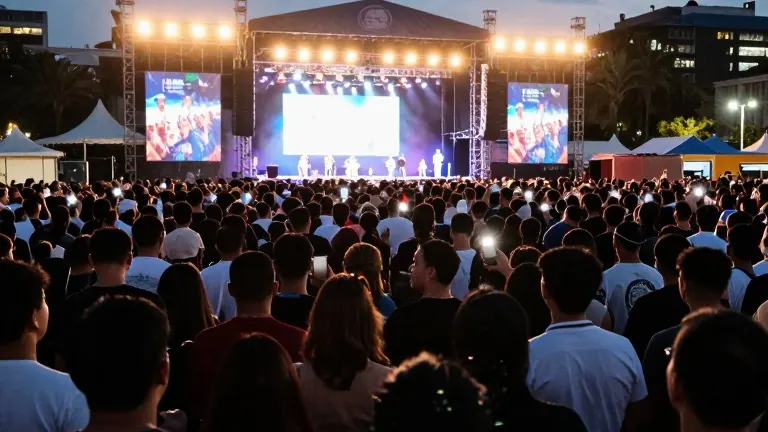
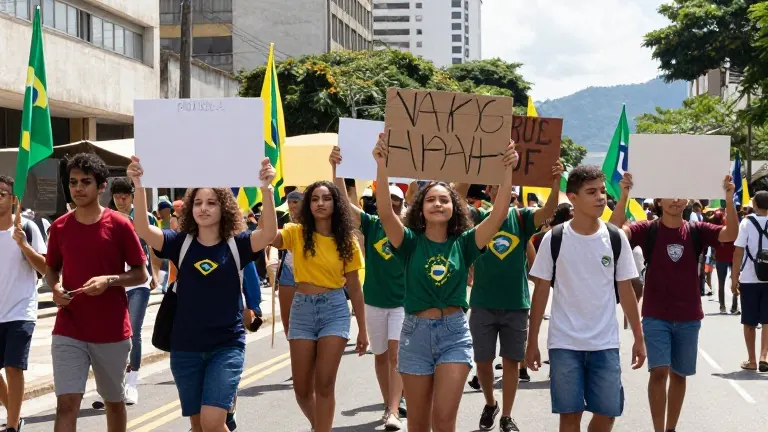
The turnaround began immediately after the first round, when students at Fluminense Federal University in Niterói took to the streets to protest against the Bolsonaro family. Niterói, a city of 480,000 located across Guanabara Bay from Rio de Janeiro, became the site of the first major demonstration. Two days later, similar protests spread to downtown Rio and then to other cities across the country in what organizers described as organic, grassroots movements.
Political scientist Fábio Vasconcellos of the Federal University of Paraná attributed Lula's success to a combination of street protests, social media activity, and government spending. He noted that the mood of defeat among the left was replaced by hope over the three weeks between rounds. Vasconcellos stated that the streets and social media efforts almost overlapped in their impact on voter sentiment.
Congressman André Janones, a Lula ally, played a central role in the digital campaign. Two days after the first round, he launched a WhatsApp channel named Lula's Army, which initially had 60,000 followers. By election day, the group had grown to more than 10 million members. Janones sent daily instructions on creating pro-Lula content and maintained a 24-hour YouTube live stream on the night before the vote, a schedule that led to his hospitalization the following week.
Lula also changed his own online habits for the campaign. The incumbent, who turns 81 on Tuesday, began recording selfie videos despite not owning a mobile phone until recently. In his victory speech, he said he had been given a new device and promised to speak directly to the Brazilian people many times a day.
Camila Rocha, a political scientist who studies Brazil's right wing, said the election reflected a broad rejection of the Bolsonaro project. She interviewed undecided voters starting in May and found that fear of losing rights and a potential concentration of power in Bolsonaro's hands drove many to support Lula, even if they did not favor him personally. Some voters described Bolsonaro as a playboy who sided with big business while hinting at dictatorial tendencies.
Bolsonaro faced additional headwinds in the final weeks. He was involved in controversies, including statements that he would use the new conservative Congress to change the constitution and re-democratize Brazil. He is also under investigation in two federal police inquiries alleging corruption and money laundering. His father, former president Jair Bolsonaro, remains under house arrest for attempting a coup.
Marco Aurélio de Carvalho, Lula's campaign manager, credited the president himself for the historic comeback. He described Lula as a star player and a great statesman who made the absolute difference in the final weeks of the race.
Lula has stated that this was his last election. As he prepares for his new term, the question of succession looms over his party. Rocha noted that polling shows Lula's dominance in leadership is strong, but there is currently no figure in his party with comparable influence. Vasconcellos believes the re-election campaign offered the Brazilian left an opportunity to renew its connection with young people and urban voters.
Source: The Guardian