Lula wins 51.79% of vote, securing fourth presidential term in Brazil
The 81-year-old leader defeated Flavio Bolsonaro by 4.4 million votes in a runoff that followed an unusual two-hour extension of voting hours.
By Aiko Lombardi ·

Brazilian voters awarded Luiz Inacio Lula da Silva 51.79% of the total ballots cast in the presidential runoff held on October 25.
Lula, a left-wing leader, defeated his right-wing challenger Flavio Bolsonaro, who received 48.21% of the vote. The margin between the two candidates amounted to 4.4 million votes.
This victory marks a historic first in the country's modern political timeline. Lula is the first president since the return to civilian rule in 1985 to win a second-round election after losing the first round. He is also the first leader in Brazilian history to secure a fourth term, which will run until 2030.
The election result was not an immediate certainty. Flavio Bolsonaro had led in the first round held on October 4, capturing 47% of the vote compared to Lula's 45%. However, Lula's campaign gained momentum in the days following the first round. They focused on increasing voter turnout among the 33 million people who had not voted in the initial stage. Consequently, the second round saw the largest drop in abstention rates between the two stages of a presidential election since 1989.
The voting process on Sunday was extended by two hours, a rare move approved by the Supreme Court just as polling stations were scheduled to close. Both campaigns requested the extension for different reasons. Lula's team argued that voters in Sao Paulo and Bahia faced transportation difficulties due to a lack of buses. Flavio Bolsonaro's campaign cited heavy rain in southern Brazil and Sao Paulo as the cause for the delay. The extension meant that some polling stations that had already shut down could not reopen.
Kassio Nunes Marques, the President of the Supreme Court, confirmed the outcome. He stated that the voting extension did not cause problems for the count or the electoral process. Nunes Marques was appointed to his position by former president Jair Bolsonaro, the father of the defeated candidate.
Flavio Bolsonaro has so far refused to recognize the result. He described the outcome as inexplicable and impossible, calling for the vote to be annulled. He had been preparing a victory speech when the results came in. Electoral law experts, however, view the chances of annulment as remote. Fernando Neisser of the Institute of Lawyers of Sao Paulo noted that the large margin of victory makes the legal challenge difficult. Alberto Rollo added that presidential election dates are fixed by the constitution, adding complexity to any legal challenge.
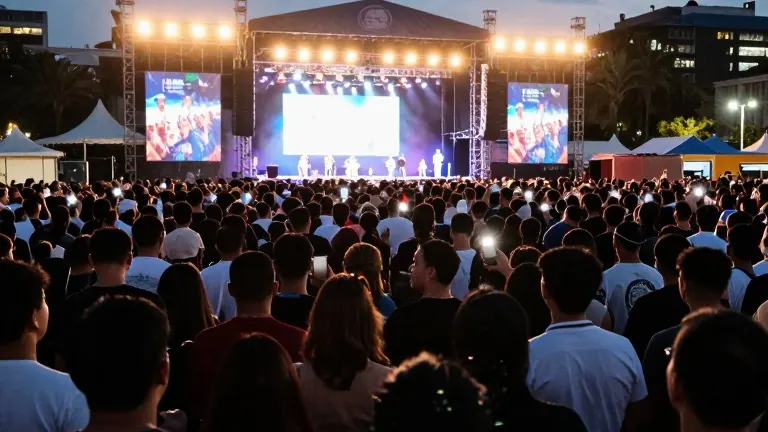
Lula took to the streets of Sao Paulo to celebrate with supporters, while Flavio Bolsonaro's supporters left their gathering place in Brasilia. Lula, who turns 81 on Tuesday, declared that his fourth term would be the best in the country's history and the one in which he would listen most to the Brazilian people. Vice-President Geraldo Alckmin told Lula that he had saved Brazilian democracy for the second time.
The new term begins on January 5. The campaign was marked by strong constraints, including tensions with the United States. Lula used his victory speech to address US President Donald Trump's recent emphasis on Western Hemisphere dominance. Lula stated that Brazil will not accept being anyone's backyard. Trump had previously shown support for Jair Bolsonaro, who is currently serving a 27-year prison sentence for a coup attempt following his loss in 2022. Flavio Bolsonaro met with Trump at the White House earlier this year to seek his backing.
International leaders reacted quickly to the result. Ursula von der Leyen, President of the European Commission, said that democracy and multilateralism had won. Pedro Sanchez, the Spanish Prime Minister, called it a great victory for global progressivism. Emmanuel Macron, the French President, suggested the two nations work together for a more just world. Daniel Noboa Azin, the President of Ecuador, noted that the region has common enemies and shared challenges. Cyril Ramaphosa, the President of South Africa, described the win as a victory for the global south.
Source: BBC News