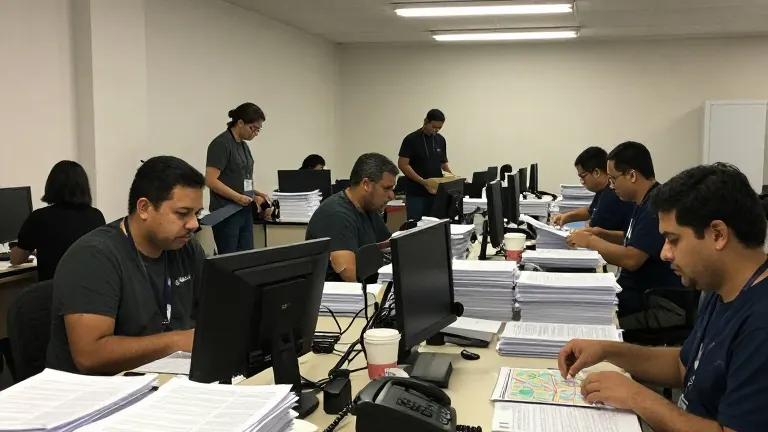
Maya and fintechs cut card wait to minutes, prompting experts to urge full monthly payments
While applications are now faster, experts warn that young users must manage higher spending risks through strict budgeting and full balance payments.
By Megan Ivanov ·
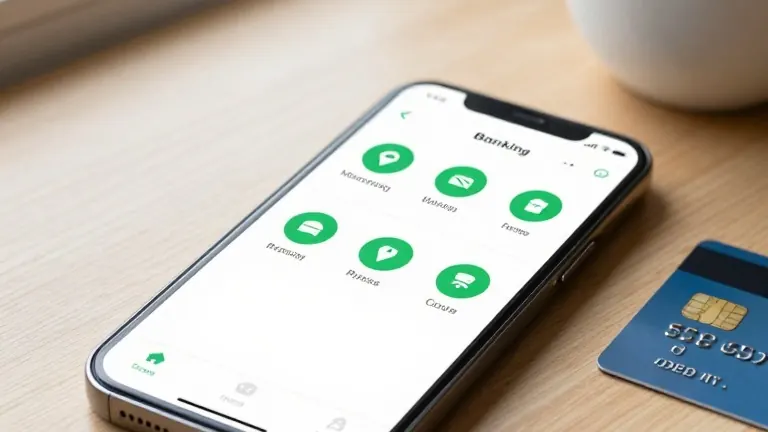
Young adults in 2026 can obtain a new credit card in a matter of minutes using mobile applications. Digital banks and fintech platforms, including Maya, have replaced the traditional requirement of extensive paperwork and multiple bank visits with minimal submission requirements. The new process allows users to complete applications and manage accounts through user-friendly interfaces on their phones.
The shift toward faster approval creates specific financial risks for new borrowers. While the cards serve as tools for building credit and handling emergencies, the ease of access increases the likelihood of overspending. Without careful management, these tools can quickly lead to debt and financial stress.
Financial experts recommend treating the card strictly as a payment method rather than a source of extra money. Users should monitor every peso spent through banking apps to identify areas for cuts, such as frequent food delivery and morning coffee runs. Pausing before nonessential purchases helps reduce the temptation to swipe impulsively.
To protect credit scores, borrowers should pay the full statement balance each month. Carrying a balance from month to month generates interest charges that can burden finances. Paying in full allows users to enjoy cashback or travel miles without the cost of high-interest debt.
Strategic credit building requires keeping utilization below 30% of available credit. Users should avoid opening multiple cards at once, as this triggers credit inquiries that may temporarily lower their score. Selecting cards that align with personal spending habits, such as grocery cashback or travel points, ensures rewards complement lifestyle choices rather than driving unnecessary spending.
Digital security features, including NFC technology and virtual cards with dynamic CVVs, help safeguard personal information during transactions. Users are advised to enable alerts and review statements regularly to detect suspicious activity. Maintaining an emergency fund remains essential so that credit cards act as a safety net rather than a primary cash source.
The next step for users is to continue learning about money management through financial literacy resources. Regularly reviewing spending patterns and adjusting habits based on income changes reinforces disciplined credit use. This ongoing education helps borrowers adapt to new digital financial tools and credit norms.
Source: River Journal
More Business · Watch Your Wallet · Report a business · Got a Story?