Record Turnout Ends Vucic's Grip as Student Bloc Seizes Serbian Parliament
The student-led movement won between 135 and 140 seats in Sunday's snap vote, while Vucic's party secured 105.
By Megan Ivanov ·

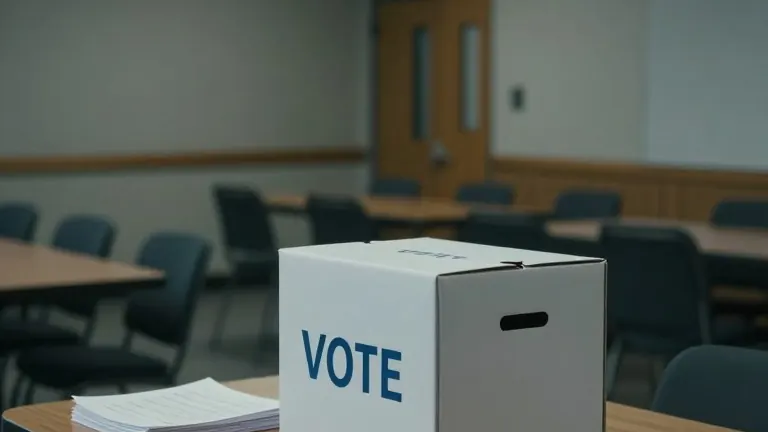
Aleksandar Vucic admitted defeat on Sunday night after his Serbian Progressive Party lost its majority in parliament. The opposition Student List, a student-led movement, is projected to win between 135 and 140 of the 250 seats. Vucic's list is expected to take 105 seats. Voter turnout reached its highest level in more than 30 years.
Vucic spoke to supporters and confirmed the loss. "It is clear that we have lost these elections," he said. He had called the snap election after resigning in September under pressure from sustained protests. His term was originally set to run until 2027.
The political shift traces back to November 1, 2024, when a train station canopy collapsed in Novi Sad. Sixteen people died in the accident. University students organized the initial response. The protests widened to include professors, doctors, and workers. The movement formed the Student List platform to fight corruption and restore citizens' rights. Ilija Srdanovic, a professor at the Faculty of Medicine in Novi Sad, led the campaign.
Vucic criticized the demonstrators during the campaign. He called them "blockaders" and accused them of trying to destabilize Serbia. He had previously described his 1990s record as marked by nationalist rhetoric. In July 1995, nine days after the Srebrenica genocide, he told parliament, "Kill one Serb, and we will kill 100 Muslims." His former mentor, Vojislav Seselj, was sentenced to 10 years in prison in 2018 for persecution during the Balkan wars. Seselj's son appeared on Vucic's list in this election.
Vucic and Tomislav Nikolic founded the Serbian Progressive Party in 2008. They split from the Serbian Radical Party to move closer to mainstream European politics. The party took power in 2012, promising to fight corruption and organized crime. Vucic served as first deputy prime minister from 2012 to 2014, then as prime minister. He became president in 2017 and won re-election in 2022.
Journalist Safeta Bisevac noted that Vucic was initially less popular than Nikolic. Bisevac described Vucic as "essentially the organiser" of the new party. He said the party's early results were modest, but authorities widened their grip on institutions, the media, and political life. Bisevac added that Vucic "established almost complete control over the state apparatus" while fulfilling few promises.
The economy grew during Vucic's tenure. Unemployment fell from 26 percent to between 8 and 9 percent. Nominal GDP nearly tripled to about 90 billion euros. Annual foreign direct investment climbed from roughly 800 million euros in 2012 to a record 5.2 billion euros in 2024. A network of modern motorways was built. However, higher wages did not always match the rise in living standards. Public debt and the cost of living remain central issues in the debate over his record.
Political scientist Dusko Radosavljevic said the students "simply gave a voice to the justified anger of citizens." He described the past decade as one of "systematic pressure and the destruction of social institutions." Radosavljevic added that intelligence services spent more time monitoring political opponents while critical thinking was pushed out of public media.
The Student List now holds the projected majority in the new parliament. Vucic's party remains the largest opposition bloc. The Student List pledged to depoliticize public institutions and restore citizens' rights during its campaign.
Source: Al Jazeera