Two Elements: The Limit Set for Animating Travel Photos
Guidance for creators and tourism businesses on adding motion to existing still imagery.
By Sophie Zhang ·
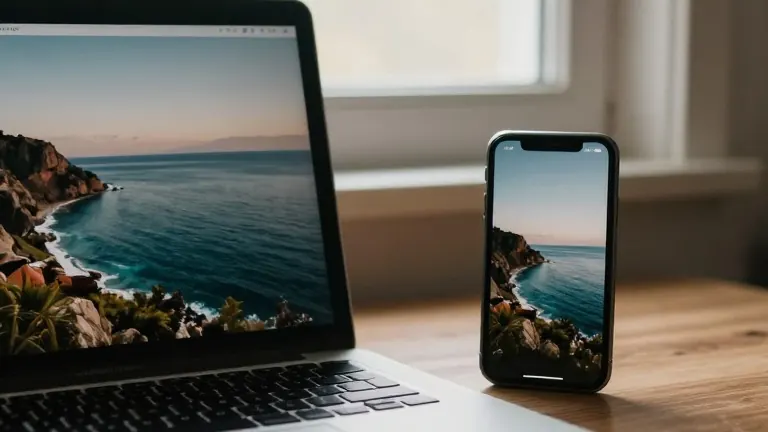
Travelers, content creators, and tourism businesses can add motion to photographs they already have instead of arranging another shoot, according to guidance published October 26. The image-to-video process introduces movement into existing stills while aiming to keep the character of the destination intact.
The guidance identifies two elements as a starting point for motion in any given photograph: one or two details that could reasonably move. Water suggests ripples and waves, trees suggest wind, and clouds suggest shifts across the sky. If no element in the image suggests a clear action, a slow camera movement is offered as an alternative.
For photographs of historic buildings and recognizable architecture, the guidance advises keeping architectural movement minimal. Animation can distort features in scenes with complex architecture, overlapping objects, or detailed backgrounds. A building may appear to bend, windows may change shape, or a mountain outline may shift. Deciding which details must remain stable before generating a clip is recommended, with movement limited to the surrounding environment or a gradual camera approach when architecture is the main subject.
Camera movement is another route to adding motion. A slow push toward a distant waterfall, a gentle sideways move across a seaside village, or a gradual pullback from a campsite can shift the viewer's perspective. The guidance notes that available controls and output quality vary between tools, listing Dreamina as one option creators can explore.
Sequence construction is addressed as well. The guidance describes building a story across several clips, beginning with a wide view to establish setting, moving to a closer scene for local character, and ending with a final image. It recommends keeping movement styles consistent across a sequence and notes that a small selection of photographs with complementary subjects can be sufficient.
For finished clips, the guidance directs creators to consider where people will watch: vertical framing for mobile feeds, wide format for websites or presentations. Important landmarks should remain visible after cropping, and clips should be reviewed for distorted details and sudden changes. Businesses using generated motion in promotions for accommodation, tours, or paid experiences are advised to verify that imagery represents the actual destination accurately and to review platform terms before commercial publication.
Source: Yonkers Times