
Acelpa outlines verification and communication standards for infusion visits
The specialty provider emphasizes pre-treatment checks and plain-language guidance to reduce clinical errors and support patient autonomy.
By Megan Ivanov ·
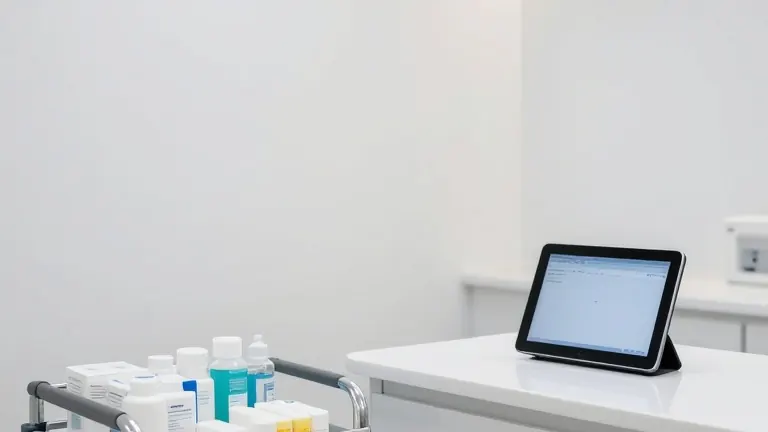
Specialty infusion therapy combines medical administration with complex logistics, creating a high-stakes environment for both patients and providers. On October 29, Acelpa detailed its operational priorities for managing these visits, focusing on rigorous pre-treatment verification and structured communication protocols.
The company states that care begins before a patient enters the infusion chair. Staff members are required to review the treatment plan, confirm medication details, and explain the appointment scope to the patient. Acelpa links this preparation phase to the reduction of avoidable delays and the establishment of trust. The provider’s services integrate specialty infusion with administrative assistance and cross-provider coordination to support this initial stage.
Clinical safety relies on a comprehensive review of the patient’s status prior to administration. The pharmacy team verifies the prescribed medication, dose, timing, and delivery requirements. This process includes checking for allergies, current medications, recent symptoms, and any changes to the existing treatment plan. Patients are informed of specific contacts to reach if a dose changes, a delivery is delayed, or a new concern arises.
Scheduling and logistics form a central part of the preparation strategy. Acelpa notes that appointment timing, delivery arrangements, and caregiver availability directly impact whether treatment fits safely into a patient’s daily life. The provider argues that asking about these factors allows staff to gather information that improves coordination and respects the patient’s routine.
During the visit, communication standards emphasize plain language and active listening. Staff must explain the medication’s function, the infusion process, and the symptoms that require prompt attention. Written instructions are provided so patients have a reference after the appointment. The protocol requires dedicated time for questions, allowing patients to report changes in pain, fatigue, appetite, or mobility that standard checklists might miss.
Clinical monitoring continues throughout the treatment period, not just at the start. Qualified staff observe the patient for reactions and follow prescribed procedures. The team explains what they are checking and why, helping patients distinguish between expected treatment aspects and symptoms that need review. A discharge plan is issued to every patient, covering hydration, activity levels, medication timing, warning signs, and follow-up contacts.
Administrative coordination extends beyond the clinical setting to include prescribers, insurers, and caregivers. Acelpa reports that delayed authorizations or incomplete records can interrupt treatment, so staff confirm benefits, request documentation, and arrange deliveries. The provider offers administrative support to manufacturers and payors as part of its national specialty infusion model.
The cycle concludes with a follow-up phase designed to verify that the treatment remains workable. Staff confirm medication arrival and instruction clarity. Patients report side effects, missed doses, or delivery problems through a direct channel. Acelpa states that this feedback is treated as clinical information, used to adjust future appointment timing, teaching methods, and caregiver involvement.
Source: River Journal
More Business · Watch Your Wallet · Report a business · Got a Story?