Parenting Advice: Two habits that undermine a child's sense of control
Educator Scott Ervin argues that allowing resentment and entitlement to take root leaves children feeling powerless and depressed.
By Megan Ivanov ·
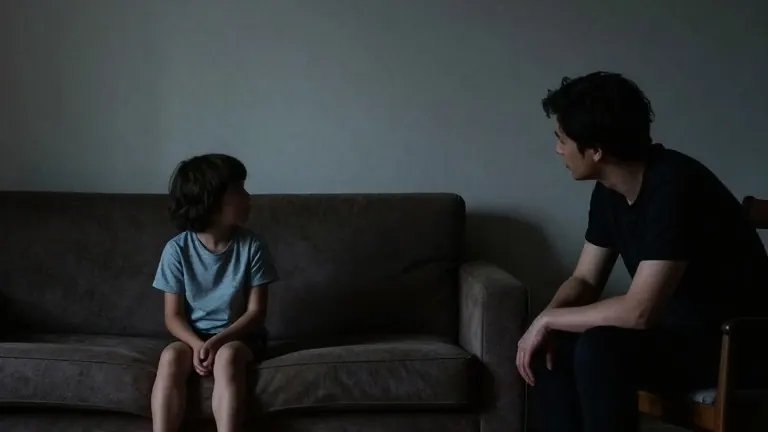
A child who believes the world is a hostile place and that other people are responsible for their happiness is a child who has lost control of their own life. This is the core conflict identified by Scott Ervin, an educator who teaches adults how to guide the behavior of children. In a column published this week, Ervin outlined two specific behavioral patterns that he says cause the most damage to a child's emotional well-being. He identified these patterns as resentment and entitlement.
Ervin has spent his career teaching both adults and children. His usual advice focuses on positive reinforcement and actionable steps for parents. For this piece, he reversed his approach. He decided to list the two easiest ways to ruin a child's outlook on life. The goal was to show parents what to avoid by demonstrating what happens when they do not intervene.
The first habit is resentment. Ervin defined this as a bitter feeling that stems from being treated unfairly. He noted that children naturally feel small, weak, and poor in a world that appears big, strong, and rich. Because human beings do not like feeling powerless, it is easy for a child to resent their starting position. This attitude places the cause of their negative feelings outside of themselves. If a child believes the entire world is against them, they feel angry but also helpless, as there is no logical way to fix the entire world. This creates a cycle where the child acts with anger, the world reacts negatively, and the child’s belief that the world is evil is reinforced.
The second habit is entitlement. Ervin described entitlement as the belief that one deserves specific privileges. In a practical sense, this means the child believes that someone else is in charge of their satisfaction. This often starts simply. A child wants an item, and a parent provides it. Over time, the request can turn into a rude demand. Parents also contribute by providing every service the child wants, such as driving them everywhere or cleaning their room. By meeting every need, parents teach their children that their own happiness is not their responsibility. It is the responsibility of the parent.
Both resentment and entitlement share a common result. They remove the locus of control from the child. When a child feels they have no power over their anger or their satisfaction, they feel depressed and stressed. Ervin argued that these feelings are comfortable for children because they require no effort or self-reflection. The child becomes a victim of an evil world or a passive recipient of care. This comfort comes at the cost of agency.
The timeline of this dynamic begins in early childhood. Children are born with little power. As they grow, they encounter a world that does not revolve around them. If parents allow the child to remain in a state of resentment, the child learns to blame external forces. If parents allow entitlement, the child learns to expect external solutions. Both paths lead to a child who sees themselves as a helpless victim. Ervin stated that this is the fastest route to depression and lifelong misery.
Breaking these habits requires discomfort. Ervin explained that moving from a victim mindset to a hero mindset takes effort. The child must take responsibility for their own anger and their own happiness. This process involves struggle and self-reflection. Parents must resist the urge to fix every problem or soothe every complaint. They must allow the child to feel the weight of their own choices. The benefit of this struggle is that the child gains a realistic chance at happiness. The alternative is a life where the child waits for the world to change before they feel good.
Ervin plans to return to his standard advice column next week. He will provide specific steps for parents to help their children stop living lives defined by resentment and entitlement. For now, the warning is clear. If a parent allows these two habits to take hold, they are handing their child’s emotional future over to external forces. The child will feel that they cannot change their situation. They will feel that the world is the problem, not their response to it.
Source: The Aegis