Baltimore DJ survives second stroke
Shelbe Hudson, who suffered a stroke at 25, is now 34 and performing again after a second medical crisis last year.
By Sophie Zhang ·
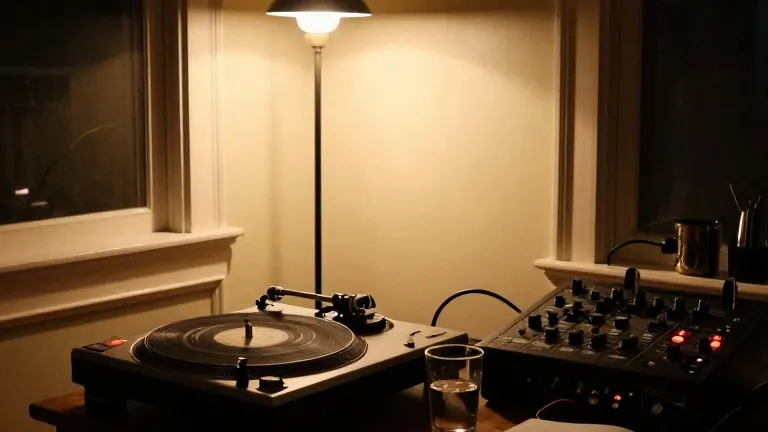
Stroke recovery is a long and physically demanding process, particularly for young adults who often assume they are too healthy to suffer such a condition. Shelbe Hudson of Owings Mills, a 34-year-old DJ known as DJ Huxtable, has faced this reality twice.
Hudson was in her mid-20s working as an analyst when she first experienced headaches and blurry vision. She initially ignored the symptoms, telling her mother that the blurriness was strange but dismissing the need for immediate medical attention. Days later, a doctor examined her and ordered her to the hospital for a stroke diagnosis. She was unable to drive for approximately six months before recovering and returning to her music career.
Seven years after the first incident, Hudson felt unwell one morning before a scheduled gig. She attempted to call her parents but received no answer. Realizing she could not speak clearly and was only mumbling, she decided to call 911. Alone and unable to communicate effectively, she walked to her neighbor's house. She threw her phone into the neighbor's car to signal an emergency and collapsed when the neighbor arrived. This marked her second stroke.
The second recovery was more difficult than the first. Hudson spent one month in the hospital, where she had to relearn how to walk, talk, and write. She stated that she did not believe she would ever speak again. Her recovery was aided by the medical team at Sinai Hospital and her family, including her mother who brought her DJ equipment to the hospital room. Hudson turns 35 on November 1.
Since regaining her mobility and speech, Hudson has focused on sharing her experience with the public. She contacted the American Heart Association to tell her story and DJ at the Baltimore Heart Walk earlier this month. She combined her profession with a public service event to raise awareness about stroke symptoms.
Hudson advises people to pay attention to physical changes in their bodies. She noted that early prevention is key and encouraged individuals to seek medical care even if they dislike hospitals. Her message is that a stroke can happen to anyone, regardless of age, and that listening to one's body is essential.
The American Heart Association provides resources on stroke warning signs and prevention on its website. Hudson's story serves as a specific example of how young professionals can recover from severe neurological events through medical care and family support.
Source: WMAR-TV