Cuba loses key U.N. backers as 130 nations still vote to condemn U.S. embargo
A historic drop in support for the island nation coincided with a heated exchange between the American and Cuban envoys on the General Assembly floor.
By Aiko Lombardi ·
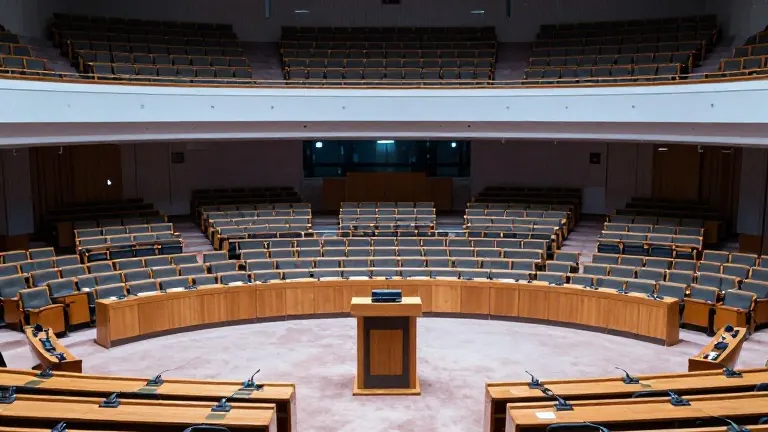
One hundred and thirty nations voted on Wednesday to condemn the United States' economic embargo of Cuba, marking the 34th consecutive year of such a resolution. The margin of support shrank sharply compared to last year, when more than 160 countries backed the measure. This year, 17 nations voted against the resolution and 25 abstained, a notable departure from the 12 abstentions recorded in the previous cycle.
The shift in voting patterns reflects a changing dynamic at the United Nations. For the first time in 34 years, Western countries including Germany, Italy, and Latvia chose to abstain. A list of other member states, such as Bosnia, Colombia, Costa Rica, and Slovenia, voted against the resolution, often for the first time. Although these General Assembly resolutions are not legally binding, they serve as a barometer of international opinion on the ongoing trade restrictions.
Cuban Foreign Minister Bruno Rodríguez framed the issue as an attack by a major power on a member state. "Cuba is not a threat. The blockade is a threat," he said before the vote. He noted that a great power is waging economic war against his country. In response, U.S. Ambassador Mike Waltz argued that the vote was a propaganda victory for a corrupt regime. He told member nations that their ballot was the only barrier preventing the government from using the body for its own ends at the expense of Cuban people.
Tensions escalated physically on Tuesday, just one day before the vote. Waltz and Rodríguez engaged in a shouting match on the General Assembly floor. As Waltz began criticizing the socialist government, Rodríguez approached the podium. He called the U.S. envoy a liar and attempted to call a point of order. Waltz responded by telling Rodríguez to back away from the podium, stating that the Cuban minister was not going to intimidate him in the United States of America.
Rodríguez later posted on the social media platform X that he was at the U.N., not at a national security meeting at the White House. He accused the U.S. government of using crude lies to justify economic aggression and a criminal energy blockade. This incident followed a similar confrontation a week earlier outside a U.S.-hosted panel featuring Cuban dissidents and former prisoners.
The current diplomatic friction sits against a backdrop of deepening economic hardship in Cuba. The U.S. embargo was first imposed in 1960 following the revolution that toppled Fulgencio Batista. In late January, President Donald Trump announced tariffs on nations that sell oil to Cuba. That move has effectively cut off fuel supplies, leading to widespread power outages that disrupt water, internet, and telephone services. Trump recently suggested that American warships could stop in Cuba on their way back from the Iran war.
The next step in the diplomatic process involves the implementation of the General Assembly's non-binding recommendation. While the vote concludes the annual session on this topic, the economic measures imposed by Washington remain in effect. Cuban officials plan to continue advocating for changes to the trade policy at upcoming international forums.
Source: The Aegis