
Tech Giant Retreat: Amazon Ditches Four Data Centers in Virginia
Following intense local opposition, Amazon has agreed to replace planned computing facilities in Loudoun County with residential housing and community spaces.
By Sophie Zhang ·
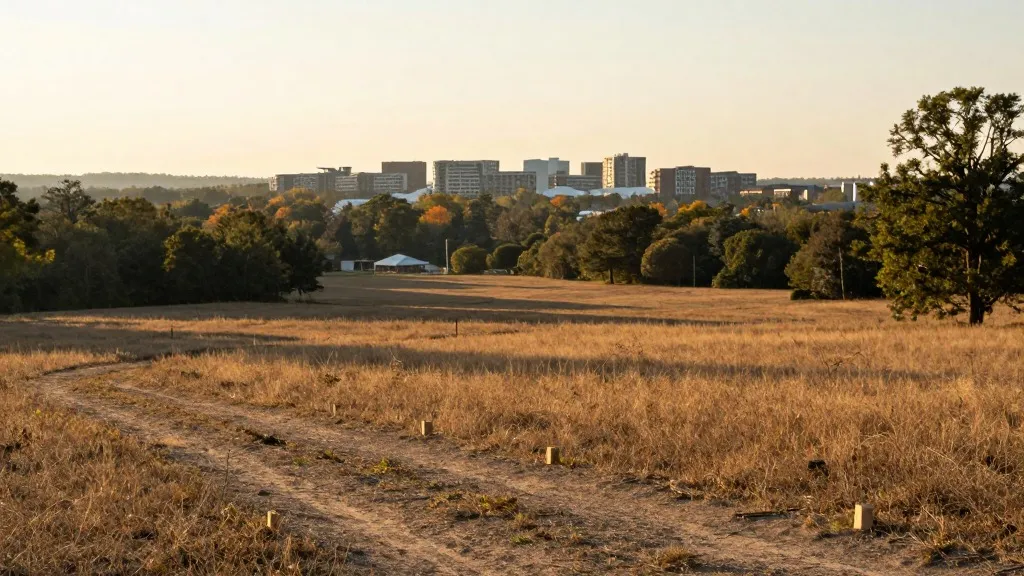
Amazon has officially abandoned its plans to construct four new data centers on the former George Washington University campus in Loudoun County, Virginia. The tech giant will instead convert the majority of the 122-acre site into a mixed-use development featuring residential units. This decision marks a significant shift for the company in a region already known for its high density of computing infrastructure. In addition to the residential projects, Amazon will donate 25 acres of the land to Loudoun County. This portion of the property is earmarked for the construction of a community arts center and a new recreational facility. To further sweeten the deal, the company has committed a $5 million contribution to the county's housing fund.
The numbers behind this pivot are substantial. The entire 122-acre parcel is being reimagined. Of that total, 25 acres will be handed over to local authorities for public use. The remaining land will be developed for mixed purposes, likely including housing and commercial spaces. This stands in stark contrast to the original proposal, which called for four dedicated data center facilities. The financial commitment includes a direct $5 million grant to the local housing fund. These figures underscore the scale of the compromise reached between the private corporation and the local government. The shift from industrial tech infrastructure to residential community space represents a major change in land use planning for the area.
Key figures in both the corporate and local government sectors played central roles in shaping this outcome. Josh Weissman, Amazon’s vice president for data center development, led the company’s negotiations. He worked alongside Phyllis J. Randall, the Chair of the Loudoun County Board of Supervisors. The two parties met in September to discuss the future of the site. This dialogue followed the initial submission of Amazon’s building proposal in July. Randall’s leadership was instrumental in guiding the county’s response to the developer. Weissman represented Amazon’s interests while navigating the local political landscape. Their collaboration allowed for a resolution without the need for formal legal battles.
The stakes for this agreement extend well beyond the immediate property transaction. The decision reflects a growing tension between the rapid expansion of artificial intelligence infrastructure and the concerns of local communities. Residents in Loudoun County, often referred to as Data Center Alley, have expressed strong objections to the noise and energy consumption associated with these massive facilities. The county has become the epicenter of global data center activity, leading to a reevaluation of how new projects are approved. The agreement serves as a test case for other regions facing similar pressure from hyperscale tech companies. It highlights the increasing power of local opposition to influence major corporate real estate decisions.
Amazon’s leadership offered a clear rationale for the change in plans. Weissman stated that the company initially moved quickly to secure the former university campus when the opportunity arose. However, the leadership team carefully considered the specific concerns raised by the county. Weissman noted that while Amazon viewed the legal development potential of the land differently than the county did, they agreed that a shared vision was the best path forward. He emphasized that avoiding costly litigation was a priority. This approach allowed both sides to preserve their relationship and move toward a mutually beneficial outcome. The statement reflects a strategic decision to prioritize community relations over rigid adherence to the original industrial plan.
The broader context of this decision is tied to the surge in demand for cloud services and AI capabilities. The need for larger and more powerful data centers has intensified in recent years. This growth has led to increased scrutiny of the environmental and economic impacts on local areas. Concerns regarding electricity price spikes, water usage, and energy grid stability have become central to community debates. Local officials are increasingly taking steps to manage the pace of data center construction. This includes exploring new financial mechanisms to support affected residents. The situation in Loudoun County illustrates the complex balance between technological advancement and local quality of life.
Political figures have also weighed in on the evolving landscape of data center development. President Donald Trump recently called for data center builders and AI companies to share the benefits of their operations with local communities. He proposed that these facilities should pay a dividend to offset energy-related price increases. The President suggested that data centers should not only generate their own electricity but also sell excess power back to the community. These proposals aim to address the economic strain placed on local grids and households. The timing of these statements highlights the national significance of the issues at play in places like Loudoun County. The debate over who pays for and who benefits from the infrastructure of the AI age is intensifying.
Local officials in Loudoun County have framed the agreement as a success for community engagement. Chair Randall emphasized the value of choosing dialogue over confrontation. She stated that the partnership created a unique opportunity for the county. The new development will provide residents with spaces to gather, create, and play. Most importantly, according to Randall, the agreement will help provide more attainable homes for working families. This perspective focuses on the tangible benefits for local residents rather than the lost opportunity for industrial development. The statement underscores the county’s satisfaction with the outcome of the negotiations. It positions the deal as a win for community needs and housing availability.
The repurposing of the George Washington University campus signals a new phase in the relationship between tech giants and suburban communities. By swapping data centers for housing and arts facilities, Amazon is adapting to local preferences and political pressures. This move may set a precedent for other sites in the region where data center plans have faced resistance. The inclusion of a community arts center and recreational facility adds a cultural dimension to the development. The financial contribution to the housing fund addresses a critical local need. As the demand for AI infrastructure continues to grow, the balance between expansion and local impact will remain a key challenge. The Loudoun County agreement offers a model for how these tensions might be resolved in the future.
Source: Tom's Hardware · original report published