Midterm voters face test of Trump's power and new district maps
Over 50 million ballots are already cast as Democrats target both chambers of Congress while federal officials monitor polling places for interference.
By Megan Ivanov ·
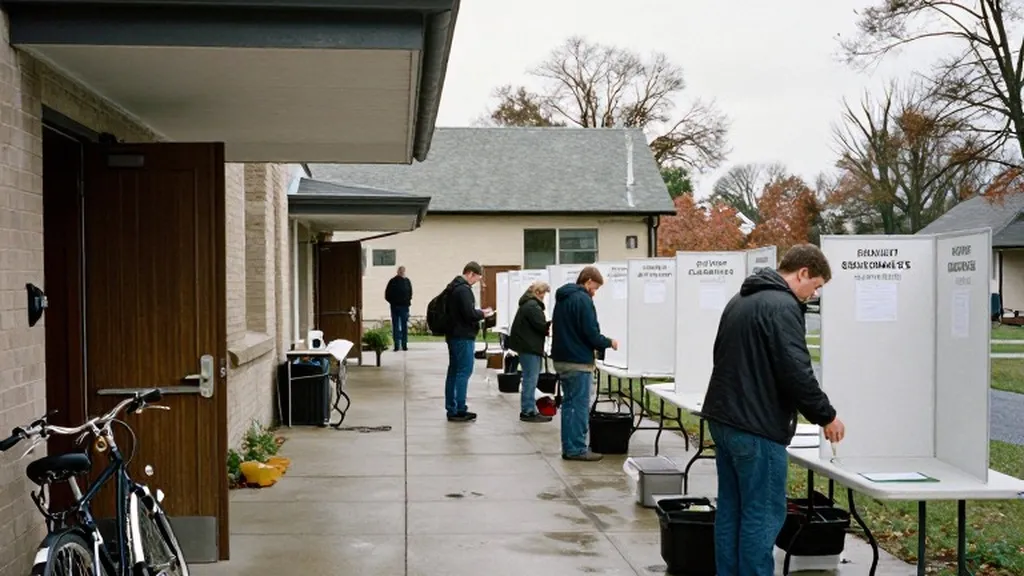
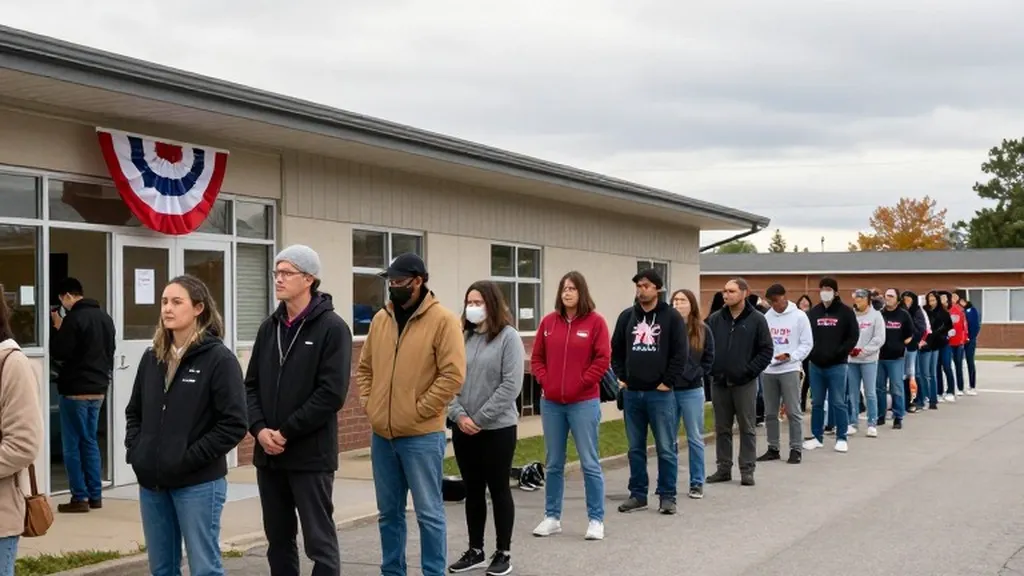
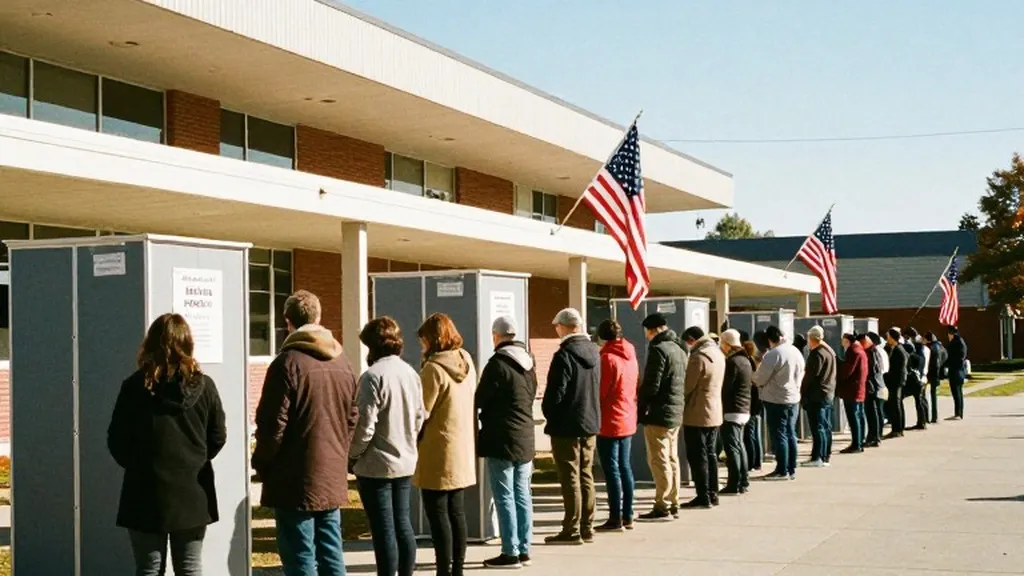
More than 50 million Americans have already cast ballots ahead of Tuesday's midterm election.
President Donald Trump is not on the ballot, but he has asked voters to treat the race as a referendum on his two years in office. Early voting numbers and polling suggest a difficult night for the Republican Party, though redistricting may limit the size of any Democratic gain. The outcome will determine whether the White House faces a divided government or retains a compliant Congress.
Historical patterns show the party holding the presidency usually loses seats in midterm elections. Democrats hope to capitalize on low approval ratings for Trump and voter frustration with the war in Iran and rising costs for gas and daily necessities. Republicans are banking on a high turnout among white working-class voters who supported the president in 2016 and 2024. Key swing groups, including Hispanic, Black, and younger voters who shifted toward Trump two years ago, will decide if the Republican coalition remains strong.
Democrats are targeting majorities in both the House and the Senate. In the House, Republicans hold a slim 220-215 majority. Strategists believe Democrats are on track to flip the chamber, but the number of competitive races is lower than in previous midterm upsets. Watch races include Pennsylvania's 1st District, where Republican Brian Fitzpatrick faces a challenge in suburban Philadelphia. In Florida, redrawn districts 22 and 25 were designed as Republican pickups. In Virginia, Democrat Shannon Taylor challenges Republican Rob Wittman in the 1st District, and former Representative Elaine Luria runs again in the 2nd District against Republican Jen Kiggans.
The Senate race requires Democrats to win four seats from states Trump carried to take control from the current 53-47 Republican majority. Targets include Ohio, Iowa, Kansas, Texas, and Alaska. Early results from North Carolina and Georgia will provide signals. Democrat Roy Cooper is favored to win an open seat in North Carolina, and incumbent Jon Ossoff is expected to win reelection in Georgia. If these margins are narrow or if either Democrat loses, it may indicate stronger Republican performance in other states.
Federal intervention is a primary concern for election officials and watchdogs. The Trump administration has hinted at federal involvement after a judge rejected a Justice Department lawsuit in Alaska regarding the certification of the Senate race. Trump described that situation as voter fraud at the highest level. The administration also attempted to block California from counting 20,000 ballots from individuals identified as likely noncitizens. The Justice Department is sending approximately 1,000 staff members to observe voting. The administration says it has no current plans to deploy immigration agents or the National Guard, but nonpartisan groups have trained tens of thousands of volunteers to monitor polling places.
The election results will also shape the internal dynamics of the Democratic Party. Progressive candidate Abdul El-Sayed is running for Senate in Michigan against Republican Mike Rogers. A win for El-Sayed would signal strength for the progressive flank in a key battleground state. In Minnesota, Lieutenant Governor Peggy Flanagan defends an open Democratic seat against Republican Michele Tafoya. Losses in these states could lead to internal disputes over party direction. If candidates across the ideological spectrum win, the party may face a wide-open nominating fight for the next presidential cycle.
Gerrymandering has altered the playing field. After the Supreme Court weakened the Voting Rights Act, several Southern states redrew districts that had majority Black populations. On paper, the new maps shift nine seats to Republicans. However, this strategy spreads conservative voters across more districts. In Florida and Texas, the Republican plan relied on support from Latino and other nonwhite voters who backed Trump in 2024. Tuesday's vote will test whether those assumptions hold.
Governor races offer a chance for historic diversity in state leadership. Maryland Governor Wes Moore is the only Black governor in the country. Seven other major party nominees for governor are Black, including both men and women from both parties. Keisha Lance Bottoms in Georgia and Lisa Demuth in Minnesota are the first Black female candidates in their states' governor races. John James in Michigan and Byron Donalds in Florida seek to become the first Black Republican men elected as governors. Gina Hinojosa in Texas and Deb Haaland in New Mexico could become the first Latina and Native American women, respectively, to hold the top state office.
Source: The Baltimore Banner