Ten Governor Races That Could Decide the Balance of Power in 2026
From Georgia to Vermont, these ten contests are pivotal in the fight for a nationwide majority of executive offices.
By Megan Ivanov ·
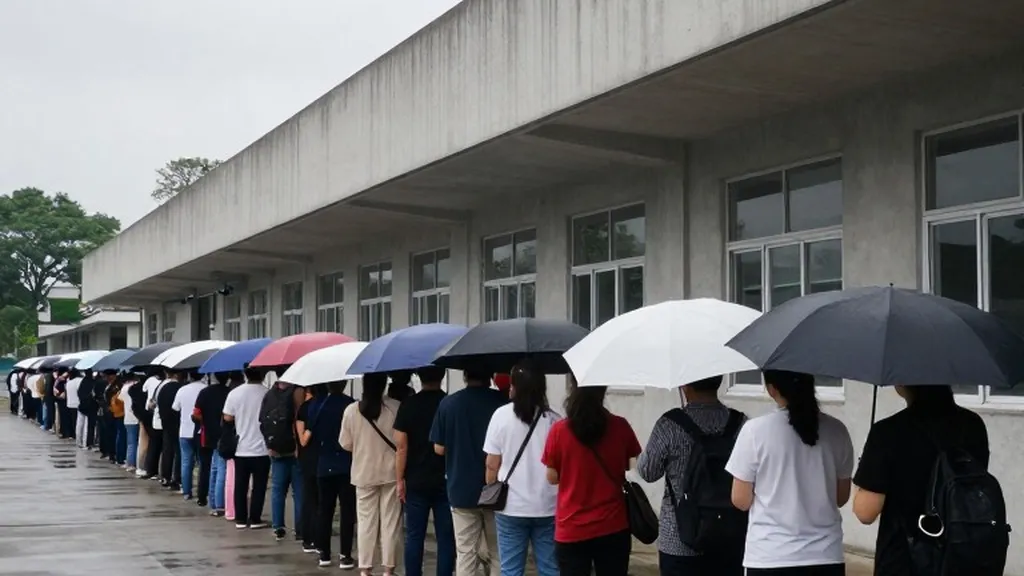
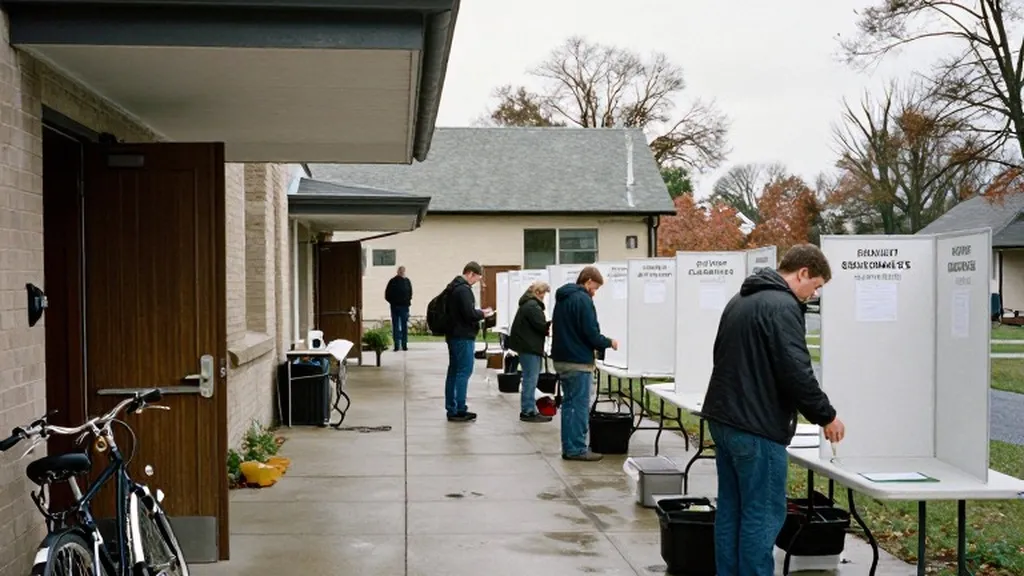
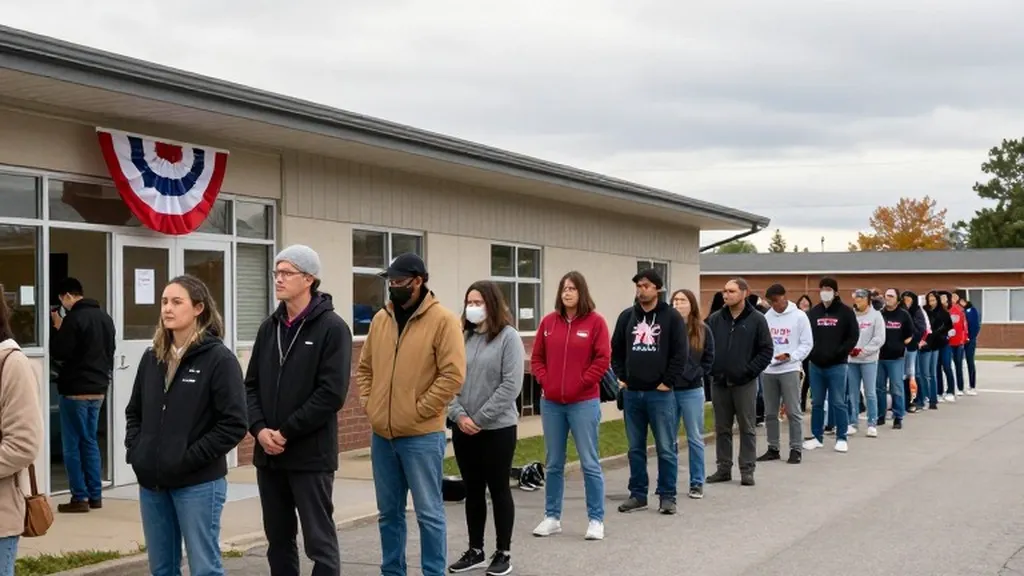
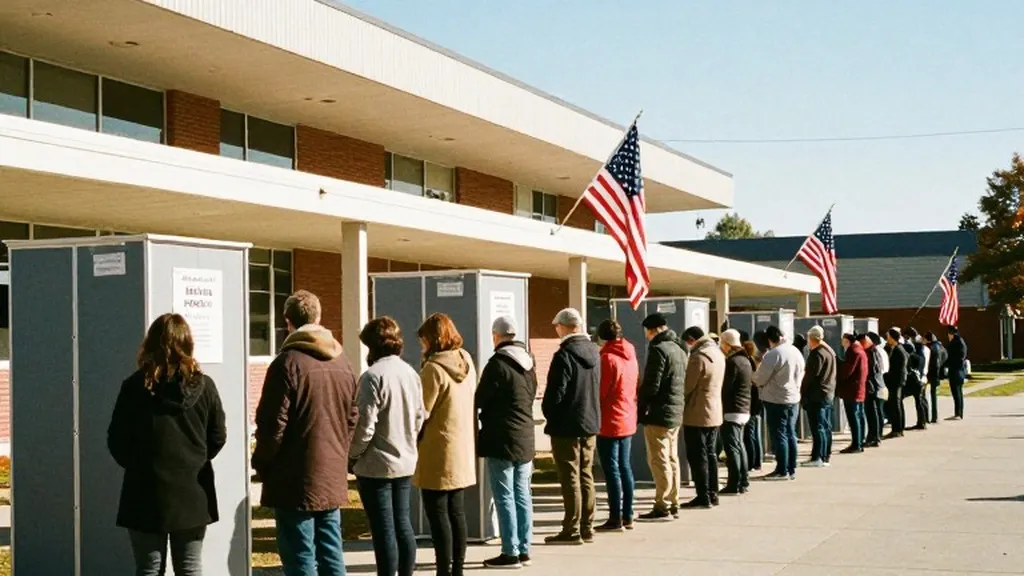
Voters in ten states are heading to the polls today to decide who will hold the governor's mansion in their jurisdictions. These races are not merely local contests. They are central to a national struggle to control the executive branch of state government. According to Ballotpedia, Republicans currently hold 26 governorships and Democrats hold 24. However, the landscape is shifting because 18 offices held by each party are on the ballot this year. Democrats need a net gain of two governorships to claim a nationwide majority. This has not happened since 2010. The outcome of these ten specific races will determine if that historical threshold is crossed.
The Associated Press and PBS NewsHour have highlighted several key matchups that define this cycle. In Georgia, Republican health care executive Rick Jackson faces Democratic former Atlanta Mayor Keisha Lance Bottoms. They are vying to succeed Brian Kemp. The race is viewed as a proxy for the state's political direction. In Nevada, incumbent Republican Governor Joe Lombardo is running against Democratic Attorney General Aaron Ford. Both candidates are campaigning hard to define the state's economic future. These two states represent a mix of incumbent defense and challengers seeking to flip power.
Ohio presents a high-profile contest between Republican Vivek Ramaswamy and Democrat Amy Acton. Ramaswamy's campaign recently faced public scrutiny over an advertisement featuring Acton's estranged mother. This incident has drawn national attention to the tone of the race. The Associated Press notes that the state is a critical battleground for the broader midterms. In Arizona, Democratic Governor Katie Hobbs is defending her seat against a Republican challenger. This is significant because Arizona is a state that Donald Trump won in 2024. Democrats are hoping to hold onto this office to maintain their numbers.
Wisconsin is another state where a Democrat is defending a governorship. The race is part of a group of five states where Democrats hold the office but Trump won the presidential election in 2024. Michigan adds to this list, with a competitive race expected. The Associated Press describes these states as critical for Democrats to maintain a majority. If they lose too many of these seats, they fall short of the two-seat gain needed for a national majority. The stakes are therefore very high for the parties in these specific jurisdictions.
On the other side of the aisle, Republicans are defending two governorships in states where Kamala Harris won in 2024. In New Hampshire, incumbent Republican Governor Kelly Ayotte is running for re-election. In Vermont, Republican Governor Phil Scott is also seeking another term. These races are noteworthy because they occur in states that leaned Democratic in the last presidential election. Republicans are fighting to hold onto these seats to prevent Democrats from gaining ground. The success of these candidates will be a key indicator of Republican performance in blue-leaning states.
The mood among voters is described by the Associated Press as a referendum on the second term of President Donald Trump. Polling by AP-NORC shows that 35 percent of U.S. adults approve of his job performance. Only 25 percent approve of his handling of the economy. About seven in ten say the country is heading in the wrong direction. These national sentiments are likely influencing how voters choose their governors. In many of these ten states, the local race is being framed by the national economic climate. Voters are weighing their local options against the backdrop of high prices and national policy debates.
Election administration has been a point of focus in several of these states. A federal judge temporarily barred the Trump administration from implementing a plan to prevent noncitizen voting. Critics argue this risks disenfranchising eligible voters. In California, a judge ordered the administration to stop demanding that officials segregate ballots from suspected noncitizens. While these legal battles are national in scope, they affect the logistics of voting in the ten states on this list. The U.S. Postal Service has added hours and staff to ensure mail ballots are counted on time. This is particularly relevant in states like Nevada and Vermont, which rely heavily on mail voting.
The financial aspect of these races is also record-breaking. The 2026 elections are likely to be the most expensive in history. Republican committees have outraised and outspent Democratic committees at the national level. This is partly due to support from Trump-affiliated groups and Elon Musk. However, at the candidate level, Democrats have outraised their opponents. This spending disparity is visible in television advertising. According to AP analysis, 88.1 percent of Republican general election TV ad spending went to states and districts Trump won in 2024. This includes more than 850 million dollars in areas where he won by ten points or more. This spending strategy is shaping the narrative in these ten governor races.
Voters in these states are making their choices on Tuesday. In Georgia, polls are open from 7 a.m. to 7 p.m. local time. In Nevada, polls are open from 7 a.m. to 7 p.m. In Ohio, polls are open from 6:30 a.m. to 7:30 p.m. In Arizona, polls are open from 6 a.m. to 7 p.m. In Pennsylvania, polls are open from 7 a.m. to 8 p.m. In Wisconsin, polls are open from 7 a.m. to 8 p.m. In Kansas, polls are open from 7 a.m. to 7 p.m. Central time. In Michigan, polls are open from 7 a.m. to 8 p.m. In New Hampshire, polls open by 11 a.m. and close no earlier than 7 p.m. In Vermont, polls open between 5 a.m. and 10 a.m. and close at 7 p.m.