What a Congressional Flip Means for Investigations and the 2028 Cycle
Voters decide today which party controls the levers of power, a choice that will determine the pace of oversight, the fate of key nominees, and the path for future presidential hopefuls.
By Sophie Zhang ·
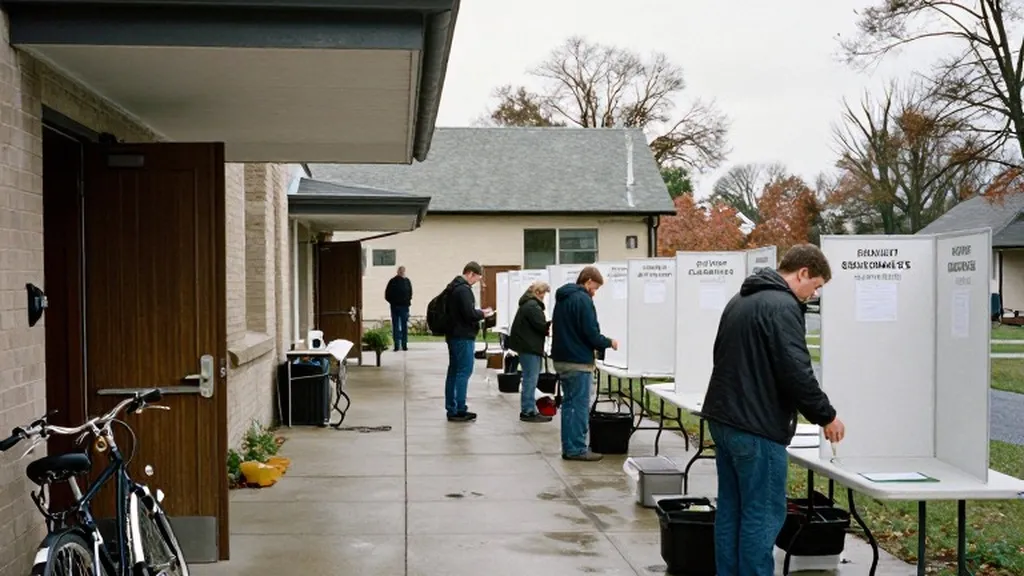
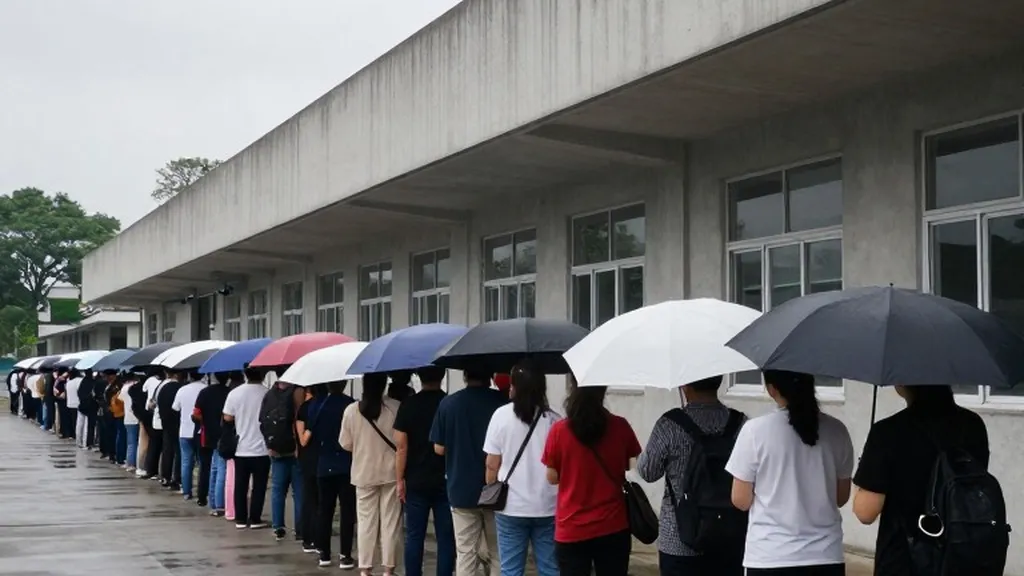
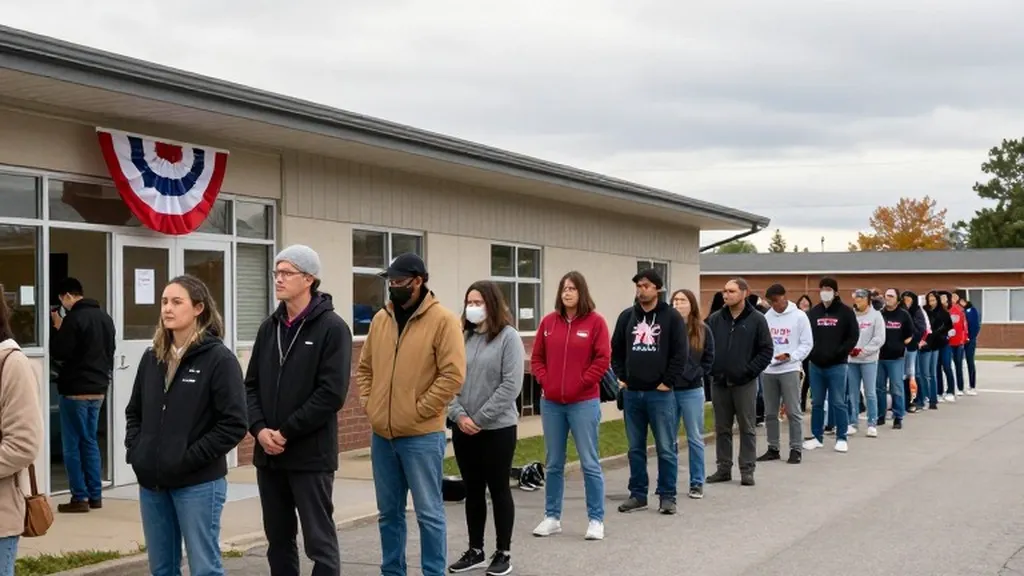
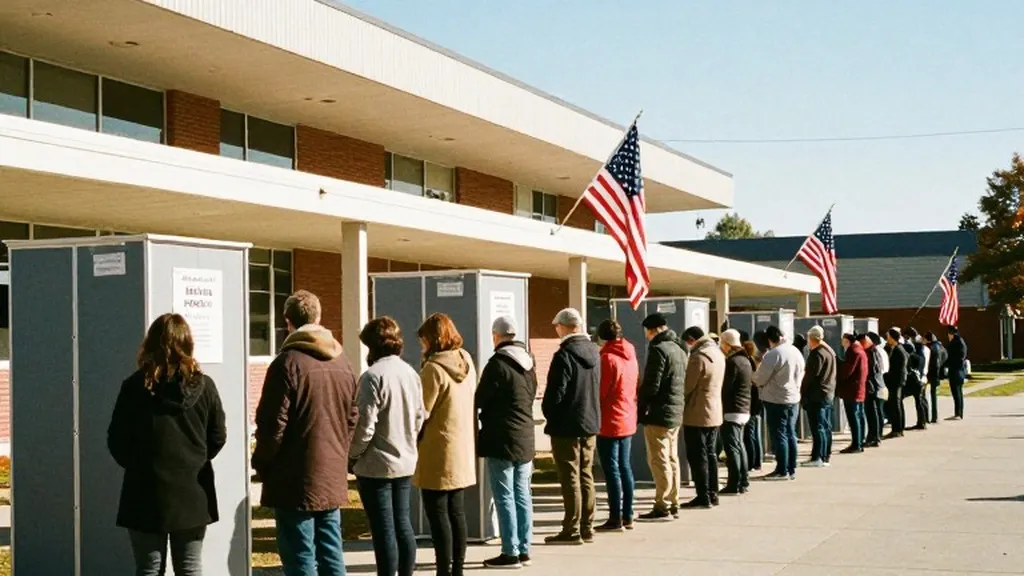
It is Election Day, Tuesday, November 3, 2026, and voters are deciding who will control Congress for the final two years of President Donald Trump's second term. The outcome will not only shift the balance of power in Washington but also set the stage for a period of intense scrutiny, potential investigations, and the early shaping of the 2028 presidential field. With polls open across the nation, the race remains tight, and the specific composition of the new Congress will dictate the tone and tempo of the remaining legislative session.
Control of the House is the primary driver for immediate oversight actions. Democrats need a net gain of three districts to secure a majority, while Republicans can afford to lose no more than two seats. If the Democrats take the House, House Leader Hakeem Jeffries, who would become the first Black speaker of the House, has outlined a 100-day agenda focused on the cost of living and expanded oversight. This agenda signals a rapid pivot to investigative work, a move that would likely intensify the checks and balances between the executive and legislative branches.
The Senate race is equally critical, as control of that chamber determines the confirmation of key nominees and the ability to pass legislation. Republicans hold a 53 to 45 majority, with two independents caucusing with the Democrats. Democrats need a net gain of four seats to take control, while Republicans can lose only two. The 13 battleground Senate races, including contests in Georgia, Michigan, and Iowa, will decide if the President can maintain his current appointment powers or if he will face a more hostile confirmation environment for the remainder of his term.
Beyond the immediate legislative calendar, the election results will influence the trajectory of the 2028 presidential race. A strong Democratic performance would likely boost the profiles of prominent governors such as Gavin Newsom, JB Pritzker, and Pete Buttigieg. Conversely, a Republican hold on key chambers could complicate the path for Vice President JD Vance, who is currently positioned as a leading contender for the GOP nomination. The stakes are high for both parties as they seek to build momentum for the next presidential cycle.
The Associated Press describes the current election as a referendum on the President's second term, with many voters expressing concern over high prices and the administration's handling of the war with Iran. Polling data from the AP and NORC indicates that 35 percent of U.S. adults approve of Trump's job performance, while about seven in ten say the country is heading in the wrong direction. These sentiments are driving turnout, with more than 57 million people having already cast ballots, surpassing early vote totals from four years ago in many closely watched states.
Republican leadership is bracing for potential losses in the House while fighting to retain the Senate. RNC Chairman Joe Gruters stated that everything depends on turnout, asserting that if they mobilize their voters, they will win. In contrast, DCCC Chair Rep. Suzan DelBene noted that the American people are angry and want change. These opposing narratives reflect the deep divisions in the electorate, with voters in states like North Carolina and Pennsylvania weighing the impact of taxes, healthcare costs, and economic policy on their daily lives.
The role of money in these elections has been unprecedented, with the 2026 cycle likely to be the most expensive in history. Republican committees have outraised and outspent their Democratic counterparts, aided by Trump-affiliated groups and support from Elon Musk. However, at the candidate level, Democrats have managed to outraise their opponents. An analysis of advertising data shows that 88.1 percent of Republican general election TV ad spending went to states and districts that Trump won in 2024, indicating a strategic focus on defending strongholds while attempting to expand their base in competitive areas.
Election administration has also been a point of contention, with legal challenges affecting how votes are counted and verified. A federal judge temporarily barred the administration from carrying out a plan to prevent noncitizen voting, a move critics say risks disenfranchising eligible voters. Additionally, a judge ordered the administration to stop demanding that California election officials segregate ballots cast by people on lists of suspected noncitizens. These legal developments have added a layer of complexity to the day's proceedings, with the Justice Department threatening to prosecute local election officials, a move that has raised concerns about interference in the democratic process.
The impact of the election extends beyond Washington, with Wall Street watching closely for signals on debt ceiling negotiations and concerns regarding AI spending. Investors are looking for stability in the political landscape, and the results of today's vote could influence market confidence in the coming weeks. The six states using new congressional maps after mid-decade redistricting, including California, Florida, and Texas, add another variable, as these new districts may not vote as originally drawn, potentially altering the final seat counts in the House.
As polls close in states like Pennsylvania, Ohio, and Georgia, the focus shifts to the counting of mail-in ballots and the verification of results. The U.S. Postal Service has added hours and staff to ensure that mail ballots are counted on time, a critical step in a cycle where mail voting has played a significant role. The outcome of the day will determine whether the President faces a unified front in Congress or a divided government that requires more compromise and negotiation for the final two years of his term.
The election also serves as a test for the midterm pattern, which historically sees a president's party lose seats. Republicans attempted to beat this trend through redistricting and strategic spending, but the new maps in Florida and other states may not yield the expected results. As the results come in, the political landscape of the United States will shift, setting the stage for a new phase of governance that will be defined by the specific mandates of the voters in every district and state.