Midterm Pattern: Both Parties Bet on Beating History
Historical trends favor the opposition, yet Republicans rely on redistricting and Democrats on economic anger to break the cycle.
By Megan Ivanov ·
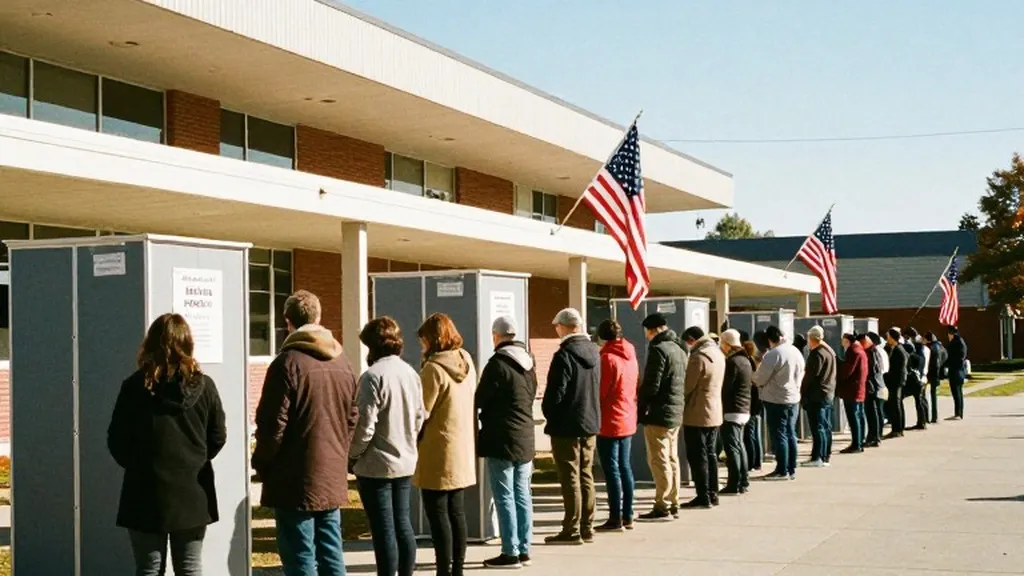
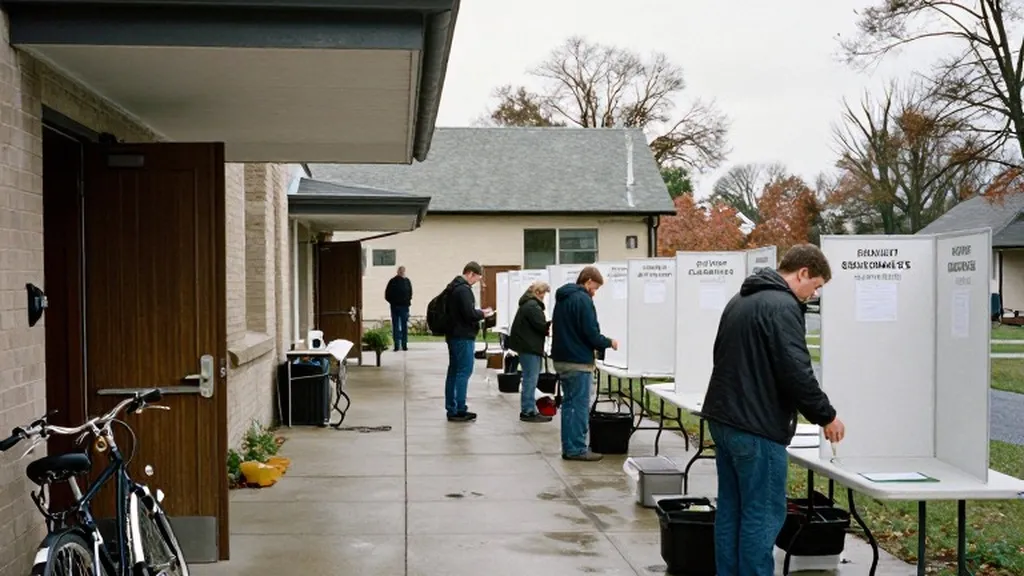
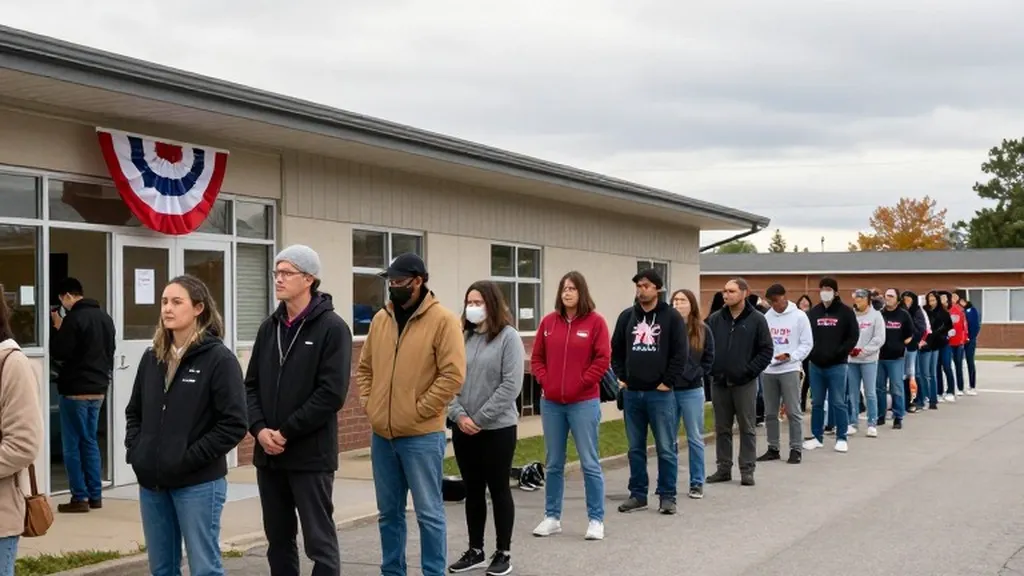
Voters across the United States are heading to the polls on Tuesday, November 3, 2026, for the midterm elections held halfway through President Donald Trump's second term. According to Ballotpedia and USA.gov, the results will determine which party controls Congress for the president's final two years in office. This election is widely viewed as a test of whether the historical pattern of a president's party losing seats can be reversed. Both political parties have employed distinct strategies to counter the traditional midterm dynamic.
The historical data suggests a significant challenge for the Republicans. In past midterm elections, the party of the sitting president has almost always lost seats in the House of Representatives. Republicans currently hold 218 seats, while Democrats hold 214, with one independent and vacancies remaining. To maintain control, Republicans can afford to lose no more than two seats. Democrats, however, need a net gain of three districts to secure a majority. Ballotpedia identifies 46 battleground districts that could decide the outcome of this chamber.
Republicans are attempting to beat this pattern through strategic redistricting and high voter turnout. Six states, including California, Florida, Texas, and Ohio, are using new congressional maps drawn after mid-decade redistricting. These maps are designed to favor Republican candidates. RNC Chairman Joe Gruters emphasized the importance of mobilization, stating that everything depends on turnout. He argued that if their voters show up, they will win, a strategy that has been central to their planning since early in the year.
Democrats are taking a different approach, focusing on national economic dissatisfaction rather than district-level advantages. The Democratic Congressional Campaign Committee Chair, Rep. Suzan DelBene, described the American people as angry and wanting change. This sentiment aligns with polling data from the Associated Press and NORC, which found that only 35 percent of U.S. adults approve of Trump's job performance. About seven in 10 voters said the country is heading in the wrong direction, with most blaming the president for high prices.
The race for the U.S. Senate is equally critical, with 35 seats up for election. Republicans hold 53 seats, while Democrats and their independent allies hold 47. Democrats need to win a net gain of four seats to take control of the Senate. Ballotpedia lists 13 close races, including contests in Georgia, Michigan, and North Carolina. In Georgia, Sen. Jon Ossoff is defending his seat against Rep. Mike Collins. In Michigan, former Rep. Mike Rogers is challenging for the open seat left by retiring Sen. Gary Peters.
Money is playing a massive role in this election, which is expected to be the most expensive in history. AP analysis of AdImpact data shows that Republican committees outraised and outspent their Democratic counterparts at the committee level, aided by groups affiliated with the president and billionaire Elon Musk. However, at the individual candidate level, Democrats outraised their opponents. A staggering 88.1 percent of Republican general election television ad spending went to states and districts that Trump won in 2024, including more than $850 million in areas where he won by 10 points or more.
Voters are also grappling with administrative changes and legal challenges. A federal judge temporarily barred the Trump administration from implementing a plan to prevent noncitizen voting, a move critics said could disenfranchise eligible voters. The Justice Department has threatened to prosecute local election officials, adding a layer of tension to the process. More than 57 million people had already voted by Monday, surpassing early vote totals from four years ago in many key states.
The stakes extend beyond simple seat counts. If Democrats win even one chamber, investigations and potential impeachment proceedings become more likely. House Democratic Leader Hakeem Jeffries, who would be the first Black speaker of the House, has outlined a 100-day agenda focused on the cost of living and oversight. A strong Democratic performance would also boost potential 2028 presidential candidates such as Gavin Newsom and JB Pritzker, while potentially complicating the path for Vice President JD Vance.
Republican candidates have had to navigate a complex relationship with the president. Trump held dozens of rallies, ending his schedule in Salina, Kansas, where he urged voters to pretend he was on the ballot. Many Republican candidates kept their distance from the president's more controversial statements. In Texas, Republican Attorney General Ken Paxton won the nomination after Trump backed him over incumbent Sen. John Cornyn, illustrating the president's continued influence on the party's direction.
Governor races are also key, with 36 offices on the ballot. Republicans hold 26 governorships, and Democrats hold 24. Democrats are aiming to hold a nationwide majority of governorships for the first time in two decades. Key battles are taking place in states like Georgia, where Republican health care executive Rick Jackson faces Democratic former Atlanta Mayor Keisha Lance Bottoms. In Nevada, Republican Gov. Joe Lombardo is running for reelection against Democratic Attorney General Aaron Ford.
Voters on the ground reflect the divided mood of the nation. Mark Barker of Palm Beach Gardens, Florida, said he has been following Trump and believes the president is doing an awesome job. Conversely, James Moore, a librarian in Raleigh, North Carolina, noted that he is paying more in taxes and more for healthcare. These personal experiences with the economy are central to the debate, with the AP describing the election as a referendum on the president's second term.
The outcome will have immediate implications for the stock market and future policy. Reuters notes that Wall Street is watching for control of Congress, as results could influence investor confidence regarding artificial intelligence spending and debt ceiling negotiations. With polls open, the final count will reveal if the historical pattern holds or if this year's specific strategies succeed in breaking the trend.