Billion-dollar ad buys and a split-party spending war define 2026 midterms
Republican committees outspent Democrats at the national level, but Democratic candidates raised more funds, creating a complex financial landscape for the most expensive election in history.
By Megan Ivanov ·
As polls open across the nation on Tuesday, November 3, 2026, the financial footprint of this midterm election has already set historical records. The Associated Press reports that the 2026 cycle is likely to be the most expensive in American history, driven by intense competition for control of Congress. This spending surge reflects a deep partisan divergence in fundraising strategies, with each side leveraging different advantages to reach voters. The result is a complex financial battlefield where the source of funds often determines the destination of the advertising.
According to AP analysis of AdImpact data, Republican committees outraised and outspent Democratic committees at the national level. This advantage was significantly bolstered by contributions from Trump-affiliated groups and high-profile donors such as Elon Musk. These external funding sources allowed Republican organizations to maintain a steady flow of cash throughout the campaign, even as individual candidate races saw different financial dynamics play out.
In contrast, Democratic candidates at the individual level outraised their Republican opponents. This candidate-level edge allowed Democrats to fund specific race-specific advertisements and ground operations in key battleground states. The data suggests a split in the financial structure of the election, where the party committees held the bulk of the war chest, but the candidates themselves operated with a different level of financial strength on the ground.
A striking portion of the Republican general election television ad spending was directed at states and districts that Donald Trump won in the 2024 presidential election. The Associated Press notes that 88.1 percent of this spending went to areas where the former president had already secured victory. This strategy indicates a focus on defending incumbent-friendly districts and ensuring high turnout in Republican strongholds rather than exclusively targeting competitive swing states.
Within that 88.1 percent allocation, more than 850 million dollars was spent in districts where Trump won by ten points or more. This massive expenditure in safe Republican territory highlights the scale of the national ad buy. Critics from both parties have discussed the efficiency of such spending, with some arguing it serves to mobilize the base while others question why such resources are not diverted to closer races where every vote counts more heavily.
Democratic leaders pointed to their candidate-level fundraising success as a sign of strong grassroots support. Rep. Suzan DelBene, the chair of the Democratic Congressional Campaign Committee, stated that the American people are angry and want change. This sentiment was reflected in the funds raised by individual Democratic candidates, who managed to outperform their Republican counterparts in many specific races despite the overall committee deficit.
Republican National Committee Chairman Joe Gruters emphasized that everything depends on turnout. He noted that if the party can turn out its voters, they will win, which is what the party has been planning for. The heavy spending in Trump-winning districts aligns with this strategy of maximizing turnout among voters who have already shown a preference for the Republican brand in the most recent presidential election.
The presence of Elon Musk and other major donors has added a new layer of complexity to the financial dynamics of the 2026 elections. While these figures are not directly tied to every candidate, their influence on the committee-level spending allowed Republicans to dominate the airwaves in many markets. This financial muscle provided a platform for messaging that emphasized the current administration's agenda and defended the party's candidates against Democratic attacks.
Voters on the ground have expressed mixed feelings about the economic conditions that have fueled this spending war. Mark Barker of Palm Beach Gardens, Florida, said he has been following Trump the whole time and thinks he is doing an awesome job. Conversely, James Moore, a librarian in Raleigh, North Carolina, noted that he is paying more taxes, more for healthcare, and more for everything. These personal anecdotes reflect the broader national debate over the cost of living that has driven much of the political spending.
The Associated Press polling indicates that 35 percent of U.S. adults approve of Trump's job performance, while 25 percent approve of his handling of the economy. About seven in 10 say the country is heading in the wrong direction. These numbers provide context for the intense financial competition, as both parties seek to convince voters that their spending will translate into tangible economic relief or continued stability.
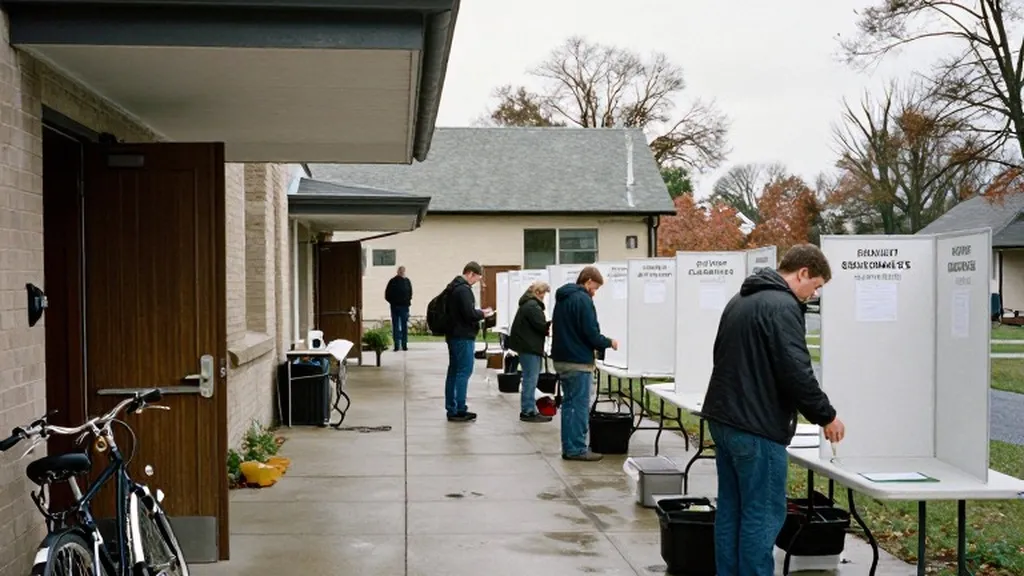
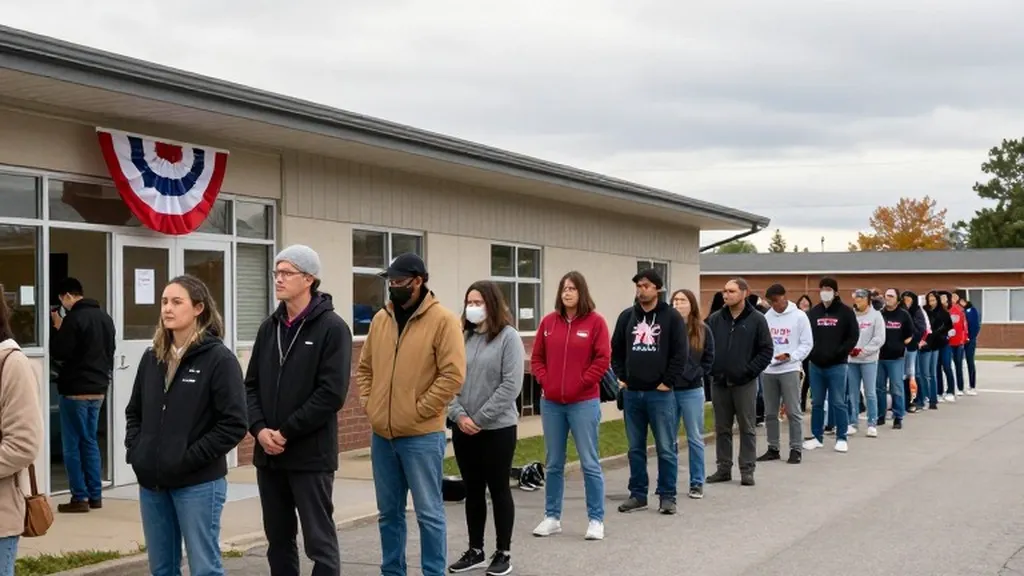
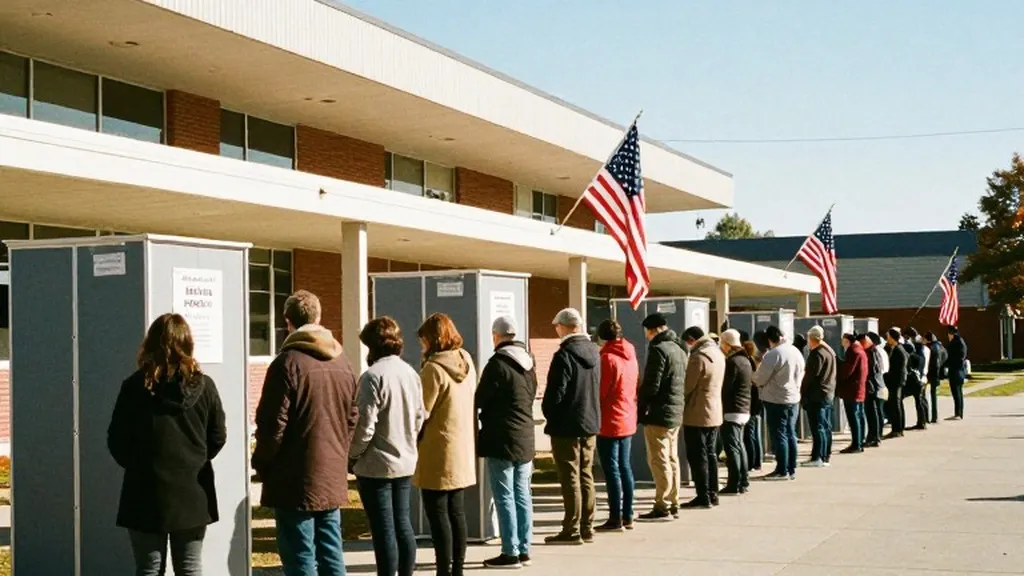
More than 57 million people had already voted as of Monday, surpassing the early vote totals from four years ago in many closely watched states. This high level of early participation suggests that the financial investment in advertising has been effective in mobilizing the electorate. The final hours of voting on Election Day will determine whether the Republican committee edge or the Democratic candidate-level advantage proves more decisive in the final tally.