57 Million Early Votes Test Both Parties' Turnout Strategies
With polls open, Republican and Democratic leaders stress different ground game tactics as 57 million ballots are already cast.
By Aiko Lombardi ·
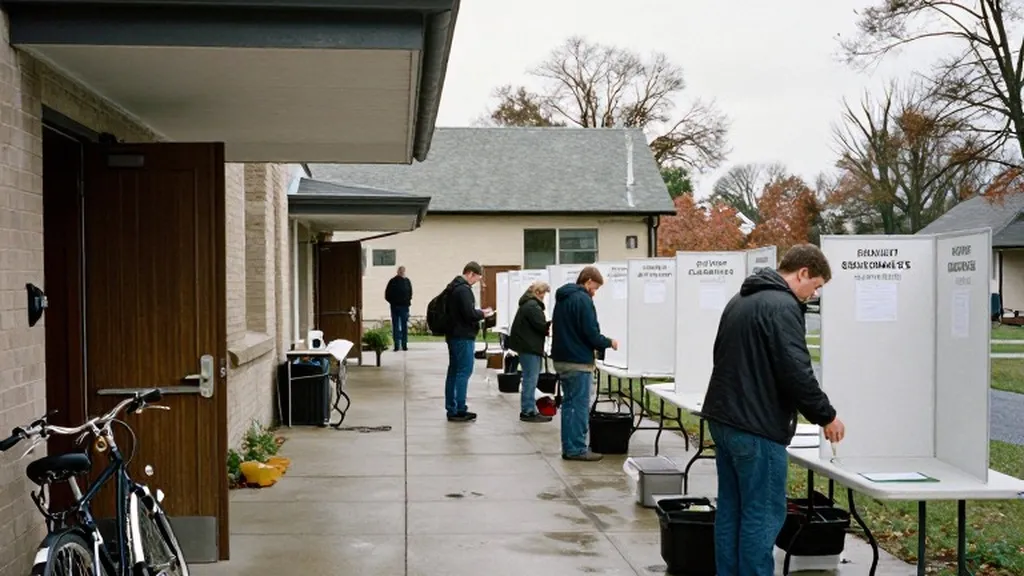
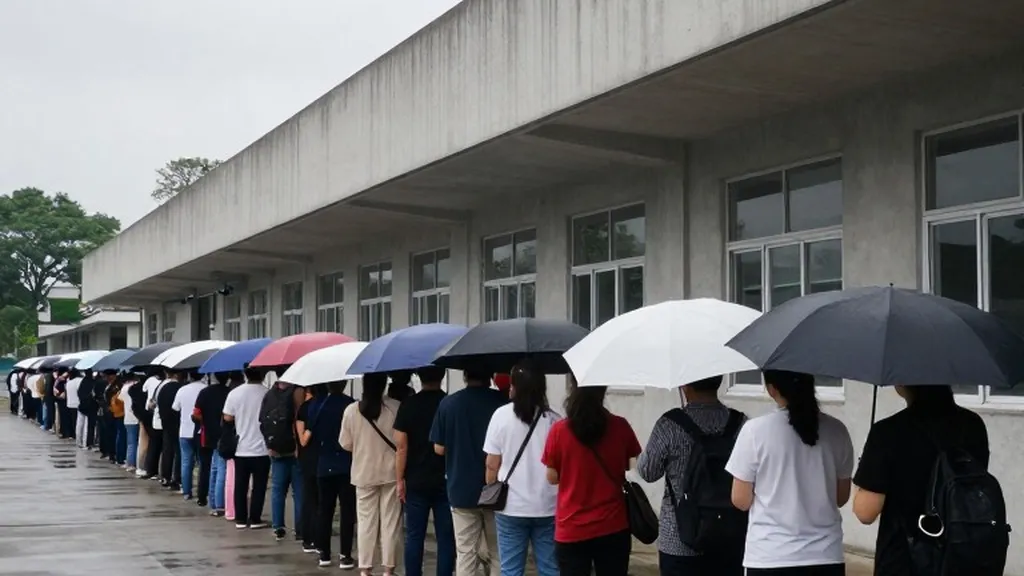
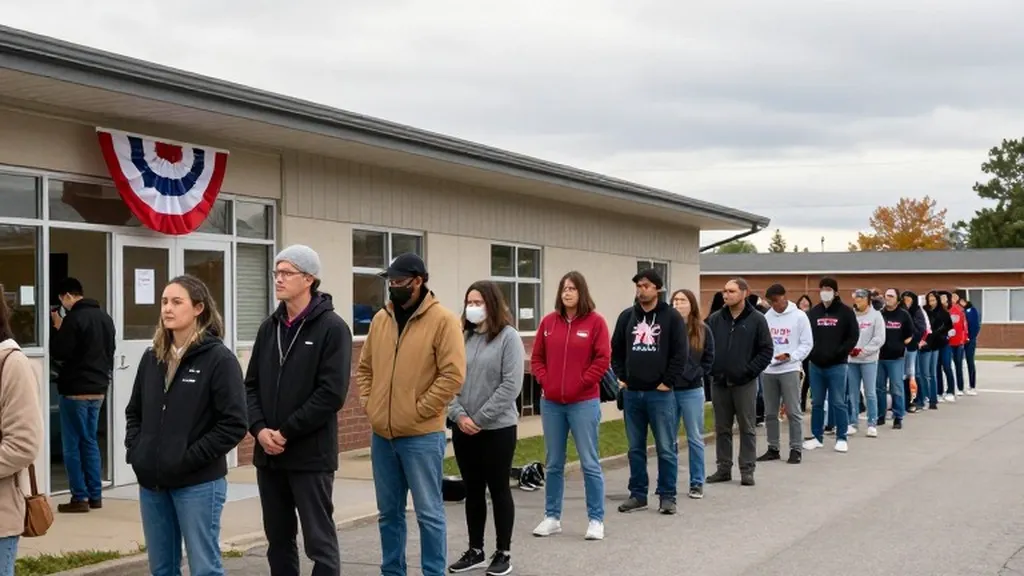
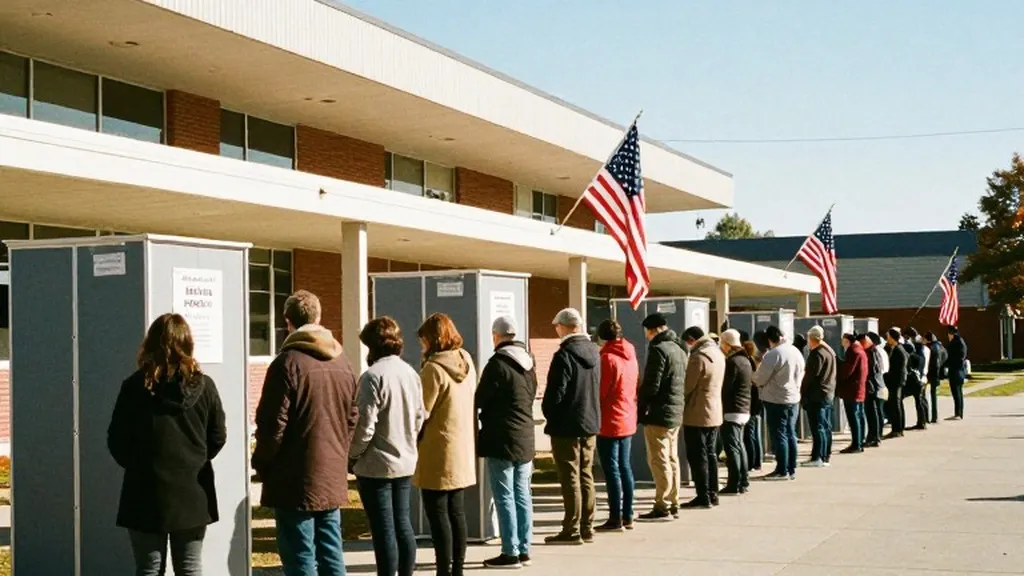
The Associated Press reports that more than 57 million people had already voted as of Monday, a figure that surpasses the early vote totals from four years ago in many closely watched states. This surge in early participation has set the stage for a critical test of the ground games employed by both major parties on Election Day. The total number of early votes suggests a high level of engagement, but party leaders argue that the final outcome will depend on who shows up at the polls today.
Republican National Committee Chairman Joe Gruters emphasized the importance of mobilizing the base. He stated, "Everything depends on turnout. If we turn out our voters, we win, and that's what we've been planning for." This strategy relies on the assumption that a high volume of early votes provides a cushion, but Gruters suggests that the decisive factor remains the ability to bring out additional supporters on election day itself.
Democratic Congressional Campaign Committee Chair Rep. Suzan DelBene offered a different perspective on the current political climate. She noted, "The American people are angry. They want change." Her comments reflect a strategy focused on capitalizing on voter dissatisfaction with the status quo. The Democratic argument is that the energy of early voters will be matched by a surge of motivated voters who are ready to shift control of Congress.
The Associated Press notes that Republicans were bracing for the possibility of losing the House while fighting hard to hold the Senate. In contrast, Democrats were described as cautiously optimistic about their chances. Both parties face a narrow margin of error in the races that will determine which party controls the legislative agenda for the final two years of President Donald Trump's second term.
The ground game has been intense in battleground districts. In the House, all 435 seats are up for election, and Democrats need a net gain of three districts to secure a majority. Ballotpedia counts 46 battleground districts, with 25 currently held by Democrats and 21 by Republicans. The closeness of these races means that small shifts in turnout could determine the balance of power in the lower chamber.
In the Senate, 35 seats are on the ballot, and Democrats need a net gain of four seats to take control. Ballotpedia identifies 13 Senate races as battlegrounds, including contests in Georgia, Michigan, and Iowa. The Associated Press highlights that one or two seats could tip the balance in either chamber, making the efficiency of the ground game in these specific states crucial for both parties.
Voters are casting ballots with a mix of economic concerns and political fatigue. Mark Barker of Palm Beach Gardens, Florida, told reporters he has been following President Trump closely and believes he is doing an awesome job. In contrast, James Moore, a 57-year-old librarian in Raleigh, North Carolina, cited higher taxes and healthcare costs as reasons for his vote. These individual accounts illustrate the divided nature of the electorate.
The Associated Press describes the election as a referendum on the president's second term, with voters struggling with high prices and anger over an unpopular war with Iran. Polling data from AP-NORC shows that 35 percent of U.S. adults approve of Trump's job performance, while about seven in 10 say the country is heading in the wrong direction. These numbers provide context for the turnout strategies being employed by both campaigns.
The ground game also involves managing the financial aspects of the election. The 2026 elections are likely to be the most expensive in history. Republican committees have outraised and outspent their Democratic counterparts, aided by Trump-affiliated groups and Elon Musk. However, at the candidate level, Democrats have outraised their opponents. This financial dynamic has allowed both parties to run extensive advertising campaigns in key states.
As polls open across the nation, the focus shifts to the logistics of the day. The U.S. Postal Service has added hours and staff to ensure mail ballots are counted on time. A federal judge temporarily barred the Trump administration from carrying out a plan to prevent noncitizen voting, which critics said risked disenfranchising eligible voters. These administrative steps are part of the broader effort to ensure that the 57 million early votes and the new ballots cast today are all counted accurately.
The outcome of today's vote will determine who controls Congress for the final two years of the current presidential term. If Democrats win even one chamber, investigations and possible impeachment proceedings become likely. House Democratic Leader Hakeem Jeffries has outlined a 100-day agenda focused on the cost of living and oversight if his party gains control. The stakes are high, and the ground game will be judged by the final tally of votes.