State Restrictions Tighten Ahead of National Vote
Twenty-two states have enacted nearly fifty new voting laws in two years, prompting legal challenges and long lines in key districts.
By Megan Ivanov ·

The 1870 enfranchisement of Black Americans established a voting right that state legislatures have repeatedly sought to limit since the Reconstruction era. On Election Day, millions of voters face a backdrop of new state rules designed to change how ballots are cast and counted. These measures range from strict identification mandates to the redrawing of district maps.
In Kentucky, lawmakers recently passed strict photo ID laws that disqualify federal food assistance cards and Social Security cards. Voters lacking a qualifying ID must now apply for a special free voter ID. The state also retains one of the few permanent felony disenfranchisement laws in the country. Governor Andy Beshear signed an executive order in 2019 to restore voting rights for eligible felons, a move that reduced the share of Black Kentuckians ineligible to vote from one in four to a lower figure. Those rights may be revoked when his term concludes next year.
Legal battles have emerged over mail-in ballot deadlines in other states. In Kansas, the Supreme Court recently upheld a three-day grace period for receiving ballots after Election Day, reversing challenges that sought to shorten the window. Mississippi courts similarly rejected attempts to disqualify ballots postmarked before but received after the election date.
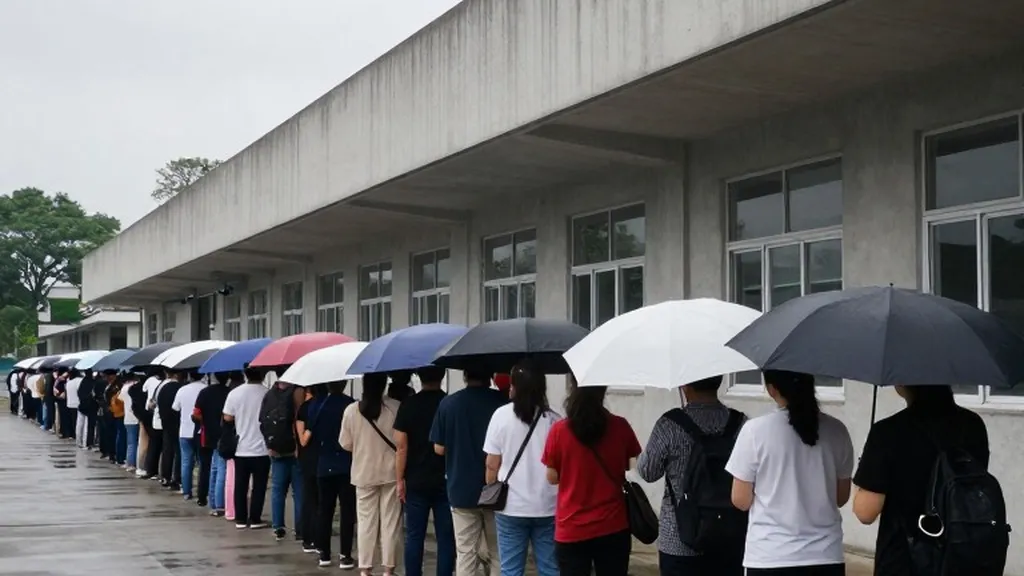
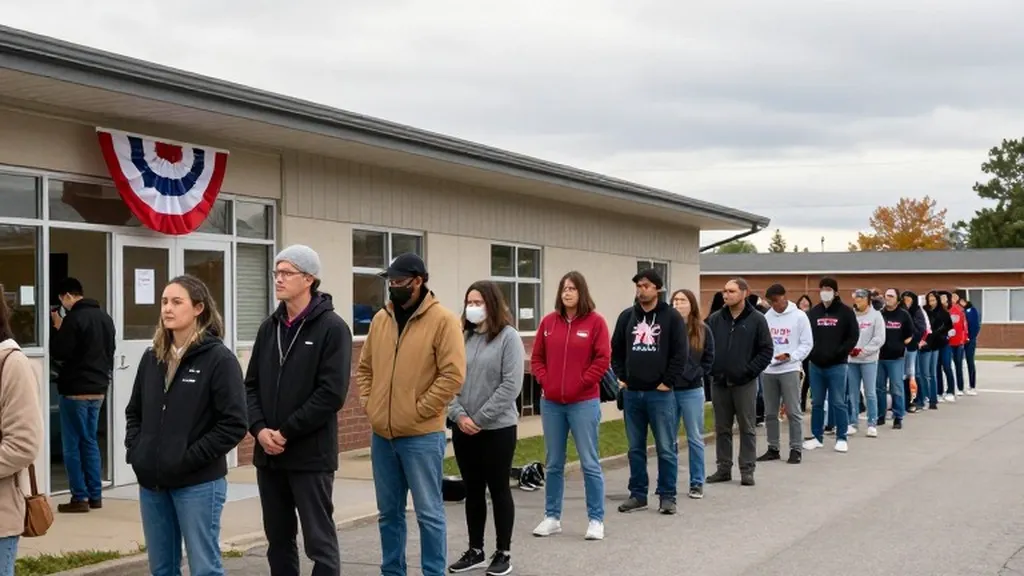
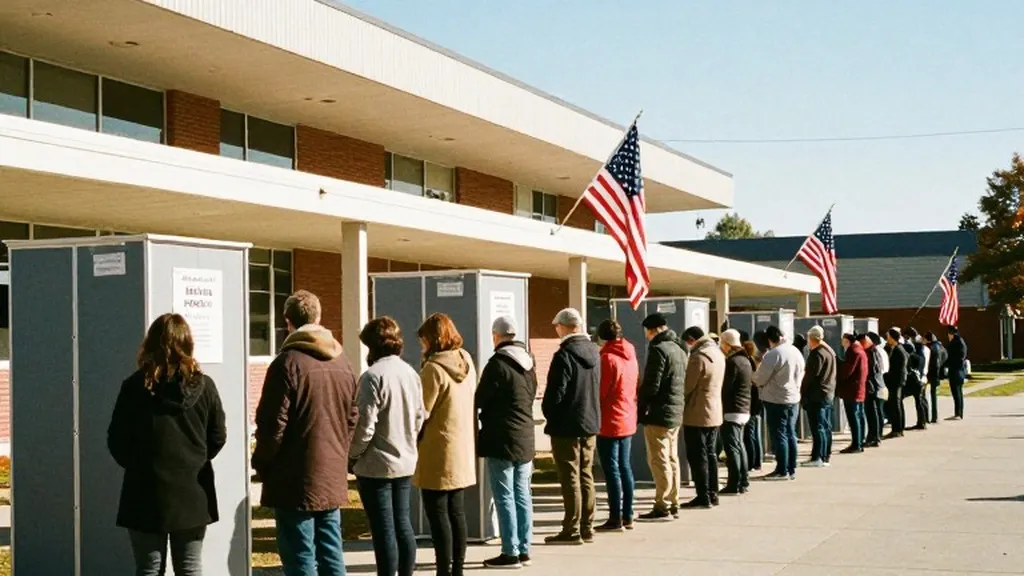
Ohio illustrates the impact of site consolidation. A 2006 state law limits in-person early voting to one site per county. This year, some of those single locations processed up to 800 voters per hour. Lines stretched up to three hours, forcing working-class residents to choose between losing wages or voting on weekends. Civil rights groups argue these logistical hurdles disproportionately affect urban areas with high Black populations.
Redistricting efforts have accelerated following a Supreme Court decision that weakened Section 2 of the Voting Rights Act. Louisiana, Tennessee, and Alabama moved to eliminate majority-minority districts, while Texas redrew its map to secure partisan majorities. These changes dilute the voting power of Black communities by splitting them across multiple districts or concentrating them in single ones where their influence is capped.
The House of Representatives recently passed the SAVE Act, a bill that would require proof of citizenship for registration and specific photo IDs for federal elections. The measure did not pass the Senate. Analysts describe the bill as a modern poll tax because it imposes costs on voters. More than half of Americans do not possess a passport, and passport fees can exceed $165. A replacement birth certificate can cost $50.
Faith leaders and grassroots organizations are organizing caravans to transport voters to polling places. These efforts mirror historical mobilization strategies used to overcome physical and legal barriers. The current election cycle tests the durability of voting rights against a wave of state-level legislative changes enacted over the last two years.
Source: WOLB