Midterm stakes: House and Senate control in play
Democrats must gain three House seats and four Senate seats to retake the chambers, with results expected to trickle in throughout the evening.
By Megan Ivanov ·

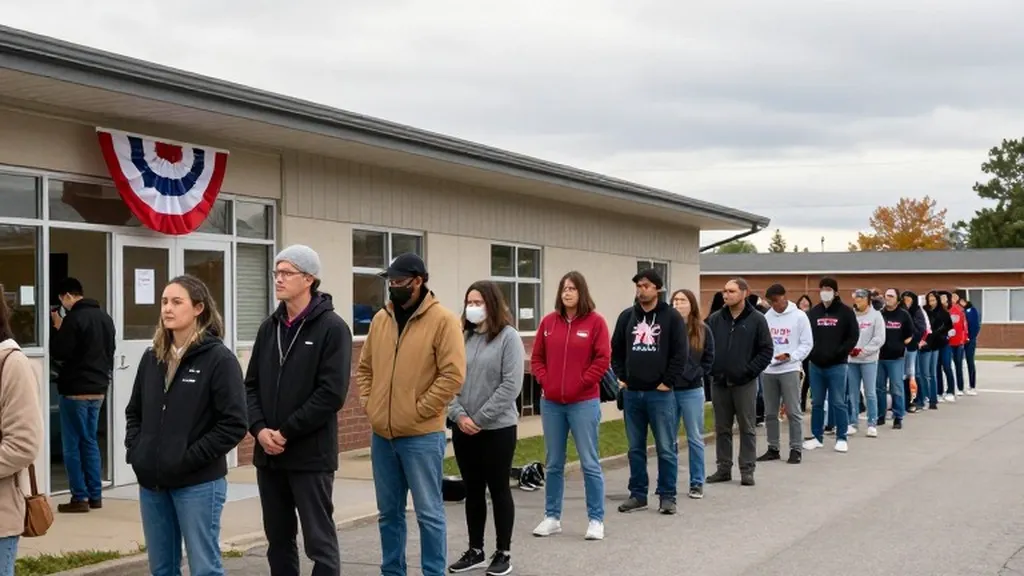
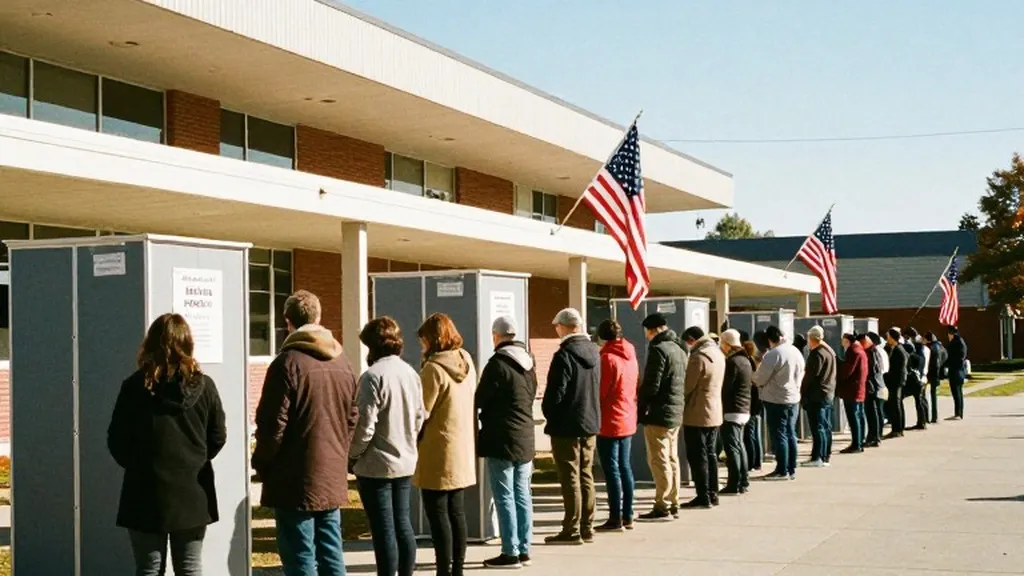
Control of the House and Senate is the central contest in Tuesday's midterm elections, determining the legislative balance for the final two years of President Donald Trump's term. Democrats require a net gain of three seats in the House and four seats in the Senate to claim the majority in both chambers. Voting is underway across the country as the first polling stations begin to close.
The timeline for results depends heavily on when voters cast their ballots in key battleground states. Polling places in Georgia, Indiana, Kentucky, South Carolina, Vermont, and Virginia are scheduled to close at 7 p.m. ET. North Carolina, Ohio, and West Virginia follow at 7:30 p.m. ET. A large group of states, including Florida, Pennsylvania, New Jersey, and Texas, will close at 8 p.m. ET, though some parts of those states close earlier.
Results will continue to emerge through the night. Arkansas polls close at 8:30 p.m. ET. Arizona, Colorado, Iowa, Kansas, Louisiana, Michigan, Minnesota, Nebraska, New Mexico, New York, North Dakota, South Dakota, Wisconsin, and Wyoming close at 9 p.m. ET. Montana, Nevada, and Utah close at 10 p.m. ET. The final major coastal states, California, Idaho, Oregon, and Washington, close at 11 p.m. ET, while Hawaii closes at midnight ET and Alaska follows at 1 a.m. ET.
Media coverage of the election night is scheduled to ramp up in the evening. Steve Kornacki will begin live coverage at 5:30 p.m. ET. NBC News primetime coverage starts at 6:30 p.m. ET. Viewers can follow minute-to-minute updates via live blogs and dedicated results pages for the Senate, House, and governor races.
Analysts at the Decision Desk are tracking specific factors to determine when party control will be clear. John Lapinski, Stephen Pettigrew, and Marc Trussler have outlined the variables that will dictate the speed of those determinations. Stephanie Perry has explained how exit poll data feeds into the Decision Desk's modeling. Ben Kamisar and Bridget Bowman have provided guides on state-specific closing times and early indicators.
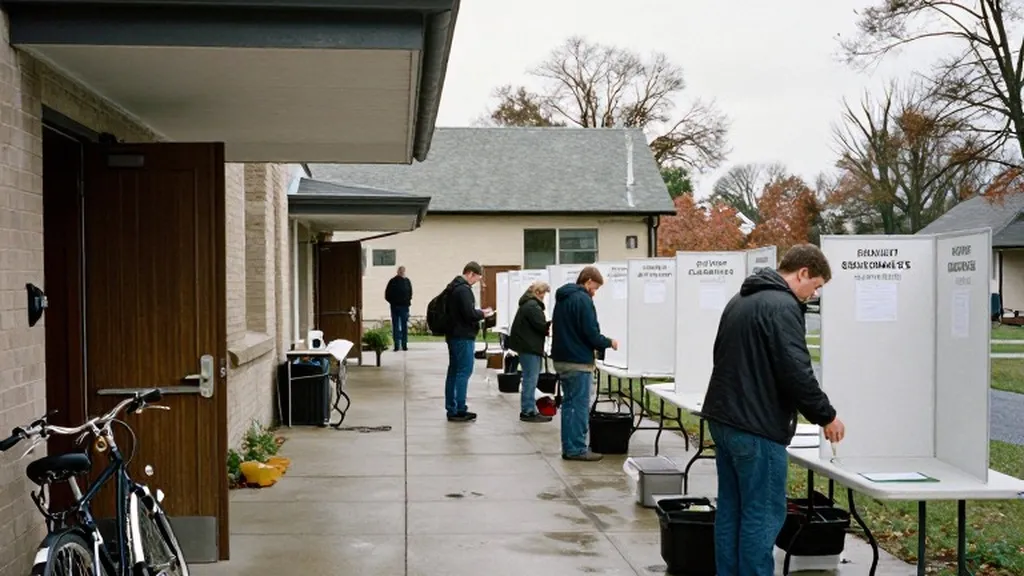
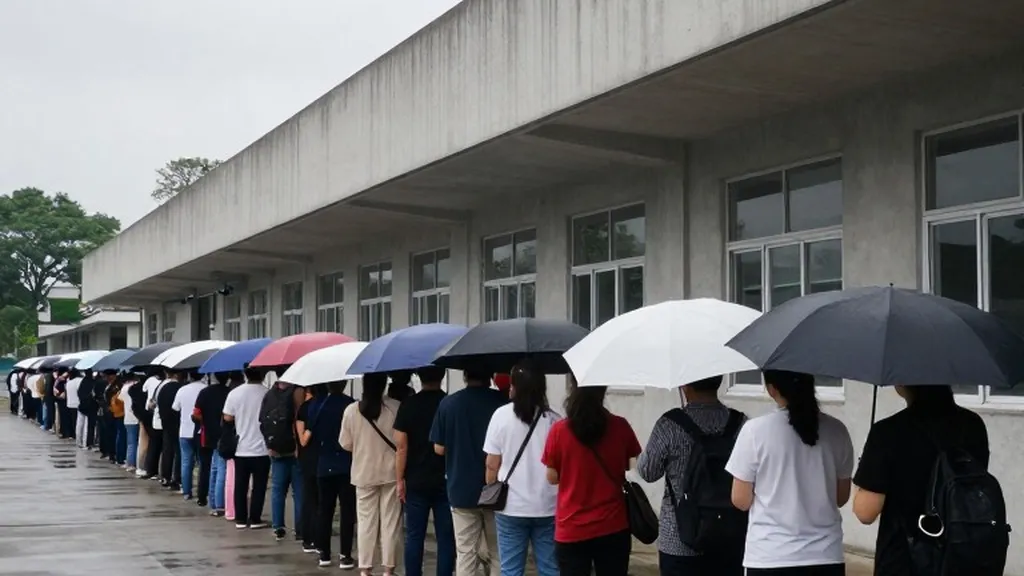
Operational issues have arisen in several locations prior to the close of voting. The Justice Department deployed a record number of election monitors to polling places in all 50 states. Flash flooding, heavy rainfall, and tornadoes forced election officials in three regions to move polling locations. In Westchester County, ballot tabulators malfunctioned, causing concern among voters and sparking online debate.
The Supreme Court also issued a ruling related to the election cycle. The court quickly rejected the administration's request that California separate up to 20,000 mail-in ballots. Officials had alleged that these ballots could have been submitted by noncitizens. The rejection leaves the current handling of those ballots in place for now.
Adam Wollner compiled the pre-election briefing. A post-election edition of the Morning Rundown newsletter is scheduled for delivery tomorrow morning to summarize the results from the key races.
Source: NBC News
More Politics · National news · Report a business · Got a Story?